News Story
 Science & Technology
bbc.com · 1 hour ago
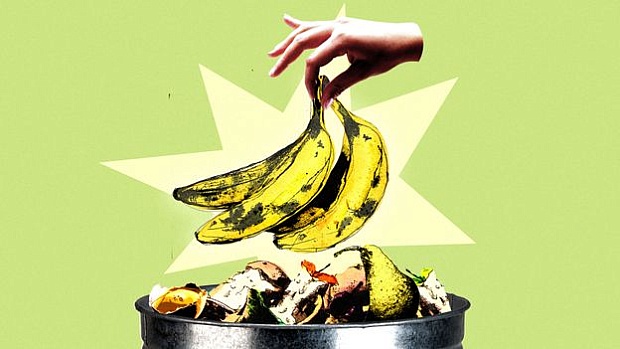
South Korea Turned Food Scraps Into Power
In Seoul's Yeouido district, a man named Seunghwan Hong taps a card on a scanner, drops in his vegetable trimmings and fruit peels, watches the weight register, and walks back upstairs. The whole thing takes less than a minute -- and it represents the end point of a thirty-year national transformation. South Korea took food waste recycling from 2.6% in 1996 to nearly 97% today, banning scraps from landfill, equipping over 150,000 smart bins with RFID technology, and building more than 340 bioenergy facilities that convert organic waste into electricity for millions of homes. The genius of the system is partly psychological: as Hong puts it, "seeing the weight and the cost of my food waste made me more aware of how much I am throwing away." New York City, which mandated food waste separation in October 2024, is now attempting something similar at scale -- covering 3.4 million households -- but sits at roughly 9% recovery, hampered by inconsistent compliance and, yes, rats emboldened by street-side compost bins. The gap between Seoul and New York is not merely logistical; it is cultural, a difference between a chore that has become second nature and one that still feels like an imposition. What South Korea demonstrates is that collective infrastructure, personal accountability, and time can quietly rewire how an entire society understands its own waste.