News Story
 Environment
Upworthy · 18 hours ago
Beavers Return to California for the First Time in 70 Years
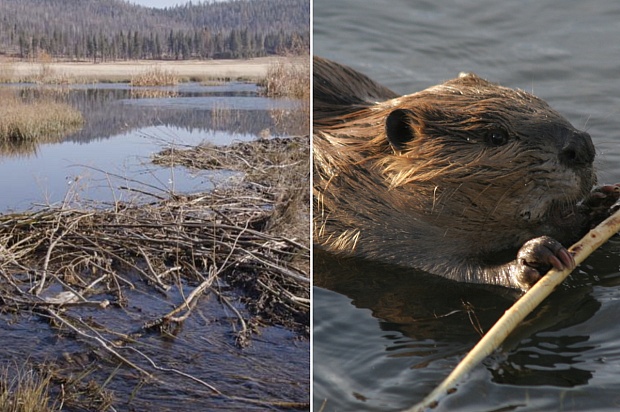
A beaver painted on a cave wall between 500 and 1,000 years ago turned out to be one of the most practical pieces of water management advice California had ever received - it just took a drought and a second look to understand it. When tribal member Kenneth McDarment and other Tule River leaders studied the ochre pictograph with fresh eyes, they recognized what their ancestors had known and encoded in rock: that beavers belonged on this land and could heal it. "Sometimes you need to just look at things more often," McDarment said, and from that quiet realization grew California's first beaver restoration program in over 70 years, built in partnership with Native tribes who had long been told the effort was legally impossible. At the Tásmam Koyóm meadow - land forcibly taken from the Mountain Maidu nearly two centuries ago and returned only in 2019 - relocated beavers have already built a 328-foot dam and expanded wetland coverage by more than 22%, while the creatures the Mountain Maidu call hi-chi-hi-nem and consider family have come home to a place that was always theirs. The story holds something worth sitting with: that the knowledge needed to face the future was never lost, only overlooked, and that restoration - of land, of relationship, of memory - can begin the moment someone chooses to look again.