News Story
 Inspiration
themarginalian.org · 13 hours ago
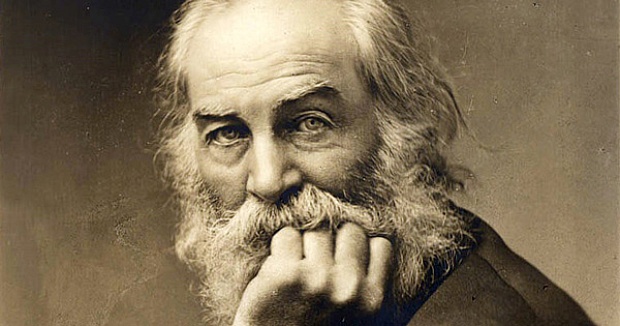
Walt Whitman, Shortly After His Paralytic Stroke, on What Makes Life Worth Living – the Marginalian
After a paralytic stroke felled Walt Whitman at fifty-three, displacing him from his home and much of his bodily freedom, he did something quietly remarkable: he turned toward life rather than away from it. Writing to a friend a decade later, he noted that though "physically I am a half-paralytic, and likely to be so, long as I live," his spirits remained "first-rate" - and he traced that aliveness not to recovery, but to revision. The stroke had handed him a ledger and asked him to account for what mattered, and what he found was both humbling and clarifying: "the trick is, I find, to tone your wants and tastes low down enough, and make much of negatives, and of mere daylight and the skies." Maria Popova's reflection on Whitman's *Specimen Days* suggests that limitation, at its most instructive, doesn't diminish a life so much as distill it - burning away what was never essential to begin with. What remains, Whitman discovered, is nature, friendship, and the quiet sufficiency of being present in the world at all.