News Story
 Youth
Youth
Reasons To Be Cheerful · 11 hours ago
Gen Z Is Rescuing Millions in Medical Supplies
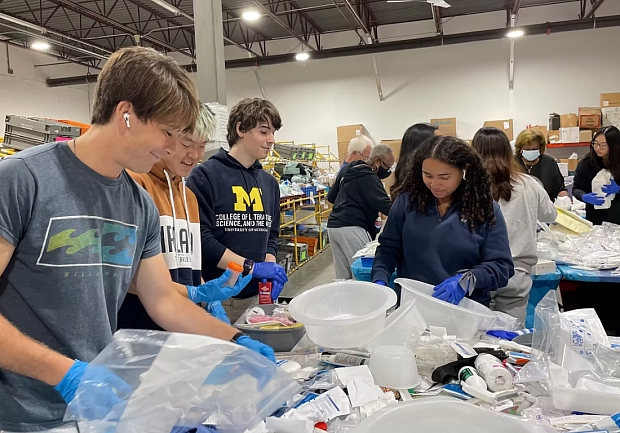
Across the United States, a quiet network of students is doing something that larger systems have failed to do: looking at a problem clearly and refusing to look away. When 16-year-old Ben Kurian learned that hospitals routinely discard thousands of pounds of sterile, usable medical supplies simply because expiration dates loom, he started cold-emailing distributors from his kitchen table - and eventually moved 30,000 pounds of N95 masks toward a clinic on another continent. He is not alone; organizations like Blueprints for Pangea and United2Heal, run almost entirely by volunteers squeezing warehouse shifts between exams, have built systems that reroute surplus to under-resourced clinics at home and abroad, from free health centers in Los Angeles to Ebola response efforts in the Democratic Republic of the Congo. "These are perfectly usable, sterile supplies," Kurian says, "and yet no one is putting them to use, despite the fact that there are clinics with little-to-no resources in desperate need." What this movement quietly reveals is that moral clarity often arrives before institutional permission does - and that sometimes the people most willing to load the truck are the ones who haven't yet been told it isn't their job.