News Story
 Environment
Good News Network · 7 hours ago
Local Opinion and Involvement Found as Key Determinant in World's Conservation Success Stories
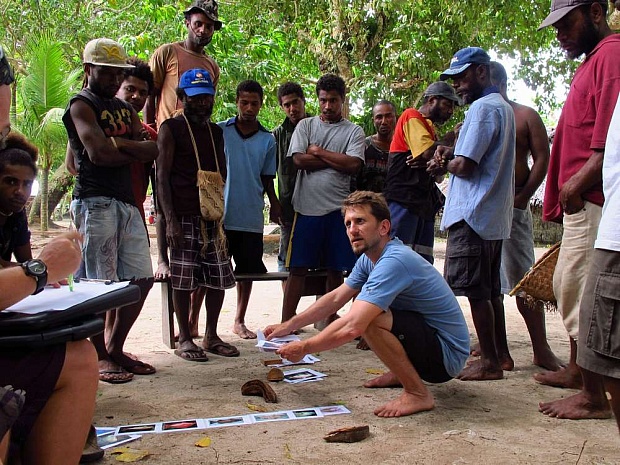
When scientists set out to understand why some of the world's most threatened ecosystems are quietly holding on - even thriving - they didn't find the answer in funding or technology. Across coral reefs in Papua New Guinea, chimpanzee habitats in West Africa, and grizzly bear territory in Canada's Great Bear Rainforest, a University of Sydney study found the same pattern: conservation succeeded where local communities were trusted as partners rather than treated as obstacles. "Local knowledge was valued alongside science, communities played a central role in decision-making, and management adapted to local social and environmental conditions," said lead author Dr. Bing Lin. In Papua New Guinea, villages have sustained one of the world's most resilient coral reef networks through a centuries-old practice of periodically closing reefs to fishing - a tradition kept alive by the bonds between elders and youth, and by a shared sense of responsibility. What the research ultimately reveals is that nature, given the chance to be somebody's home rather than somebody's resource, tends to find a way through.