News Story
 Youth
Youth
The Better India · 2 hours ago
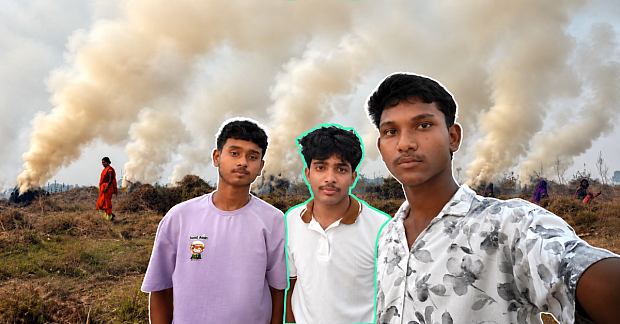
West Bengal's 16-YO Reezaal Arafat Builds AI System to Predict Crop Fires with 30+ ‘Student Guardians’
When ash began drifting into his home in Medinipur, sixteen-year-old Sk Reezaal Arafat didn't look away - he followed it back to its source and started asking harder questions. What he built, SATARK, uses satellite data, low-cost sensors, and a network of student volunteers to identify where crop fires are likely to start before the smoke ever rises. But the technology, he insists, is the easier part: "The hard part is making sure that when a farmer decides not to burn, there's actually something waiting for them on the other end." His team arrives in villages not with lectures but with listening - sitting with farmers first, learning the pressures of the season, offering soil reports in exchange for trust. In a problem shaped by cost, timing, and decades of inherited practice, SATARK is discovering what so many well-meaning interventions miss: that solutions often already live inside communities, waiting not for someone to invent them, but for someone young enough to believe they're worth finding.