News Story
 Environment
NPR · 12 hours ago
Coral Reefs Face Increasing threats. Seabirds Could Help
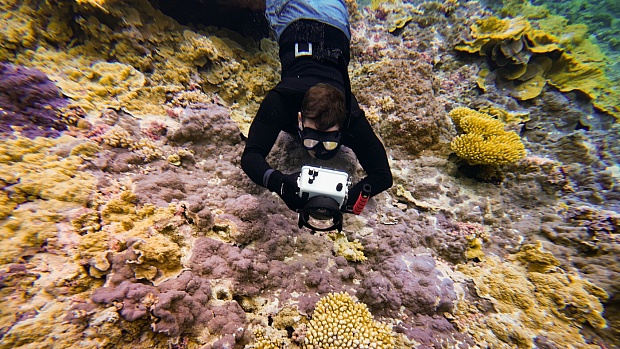
At Palmyra Atoll, a tiny speck of land in the remote Pacific, scientists have uncovered something quietly astonishing: the health of one of the world's most pristine coral reefs depends, in part, on bird droppings. Seabirds feed at sea, return to roost in the forest canopy, and their guano washes into the ocean with the rains, nourishing a food web that stretches from microscopic plankton to manta rays to coral. When invasive rats and coconut palm monocultures broke that chain, the reef felt it - and when conservationists removed the rats and began clearing a million palms by hand, the forest, the birds, and the underwater world began to find their way back. "If we can figure out ways to just stop the local threats to ecosystems," says scientist Alex Wegmann, "they will, in a lot of cases, find ways to repair themselves." What emerges from Palmyra is less a story about saving nature than about learning to trust it - and doing the patient, unglamorous work of getting out of its way.