News Story
 Environment
The Better India · 4 hours ago
Hiware Bazar: How a Maharashtra Village Turned Drought Relief Into Water Security
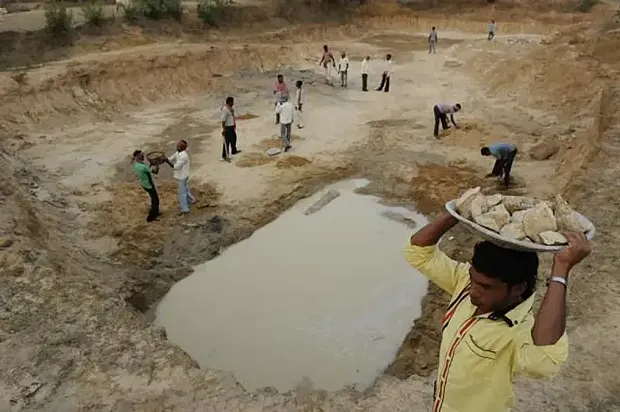
When 90% of Hiware Bazar's residents had fled to cities by the early 1990s, the village could have remained a casualty of drought - instead, it became a study in what collective foresight can accomplish. Under the leadership of sarpanch Popatrao Pawar, the community channeled government relief funds not into temporary wages but into 660 rainwater structures, 40,000 contour trenches, and a forest restored from bare hills, until families began finding their way home from Mumbai's slums. Every October now, the gram sabha convenes to calculate the village's water budget - estimating runoff, groundwater recharge, and what the land can realistically bear - and Pawar noted that groundwater has held steady at 11 to 12 metres below ground level since 1995, against about 37 metres before. As India's 2026 monsoon ends its weakest season in over a decade and Maharashtra declares most of its tehsils drought-affected, Hiware Bazar's record stands as something more than a conservation success: it is evidence that relief, when a community decides to aim past the immediate crisis, can quietly rebuild the conditions for a different future.