News Story
 Environment
si.edu · 2 hours ago
Meet the Retirees Turning Their Farms Into Wildlife Corridors
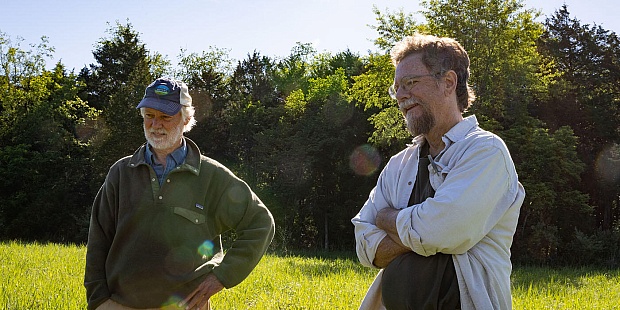
In rural Virginia's Shenandoah Valley, two retired neighbors named John have spent decades doing something quietly radical: giving their farmland back to the wild. Working across fence lines with Smithsonian scientists, John Rice and John Sessler have helped protect nearly 2,500 acres of private land as wildlife corridor, stitching together fragments of habitat that animals need to migrate, reproduce, and survive. Their methods differ - Rice wages daily battle against invasive species while the Sesslers plant native seed mixes that bloom into summer wildflowers - but the intention is the same, and so is the devotion. "Finding stuff like that is optimistic and hopeful, and the land is communicating with them," says Smithsonian botanist Natalie Izlar, describing the native species that have returned as proof the work is holding. In a country where 90% of Virginia's land is privately owned, what these two men have chosen to do with theirs turns out to matter enormously - not as policy or program, but as the patient, unglamorous labor of people who decided the place deserved their best effort.