News Story
 Environment
Guardian · 9 hours ago
From Black Soldier Flies to mealworms: Farming Insects for food, Fodder and Fertiliser in Uganda | Global Development | the...
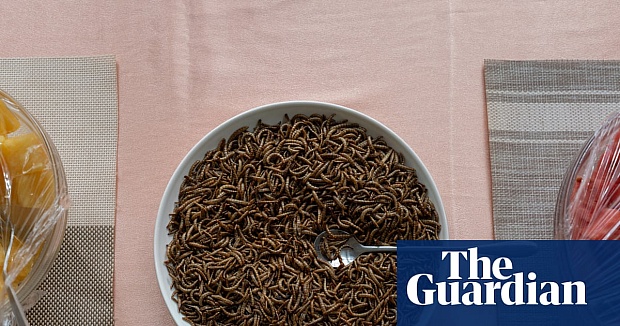
In the Kyaka II refugee settlement in Uganda, where nearly 140,000 displaced people have been asked to build lives on shrinking plots of land, some families have found an unlikely path toward stability - one larva at a time. Kavira Musabingo arrived from the Democratic Republic of the Congo in 2018 with almost nothing; today, through learning to raise black soldier flies, she provides chicken, eggs, and vegetables for her family and earns an income from what remains. What the story quietly reveals is how much human ingenuity can accomplish when it is met with the right kind of support - not charity, but knowledge, community, and tools like a pedal-powered sieve built from recycled motorcycle spokes. As researcher Dorothy Nakimbugwe notes, insects' "nutritional potential is particularly relevant for vulnerable groups such as women of reproductive age and children under five," and the data from school feeding trials - children growing taller, bodies stronger - gives that claim a human face. Waste becomes feed, feed becomes food, food becomes dignity: a small, circular logic that holds within it something quietly radical about what people can do with very little, when they are trusted to do it.