News Story
 Environment
substack.com · 5 hours ago
The Birds Planted the Grove
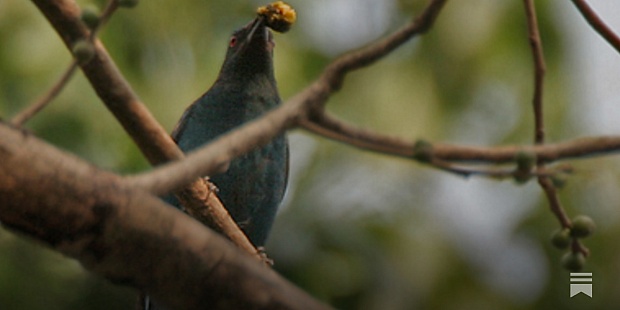
For centuries, the sacred groves of Rajasthan were understood as human gifts to nature - places where belief drew a boundary and the forest was allowed to breathe. But as this essay quietly argues, the order of that story is wrong: people protected a handful of fig trees, and the birds did everything else. The peepal, the banyan, the gular - three figs that tradition placed beyond the reach of the axe - fed birds through every lean season, and those birds, carrying seeds from across the landscape, built the grove outward from that protected center, generation after generation. "What belief really preserved was a process," the author writes, "a place where the planting could go on undisturbed for centuries." There is something worth sitting with in that realization: that the deepest acts of protection are often for something we cannot fully see, and that what looks like a tree standing alone is, if the birds still come, a forest in the making.