News Story
 Arts
Arts
themarginalian.org · 21 hours ago
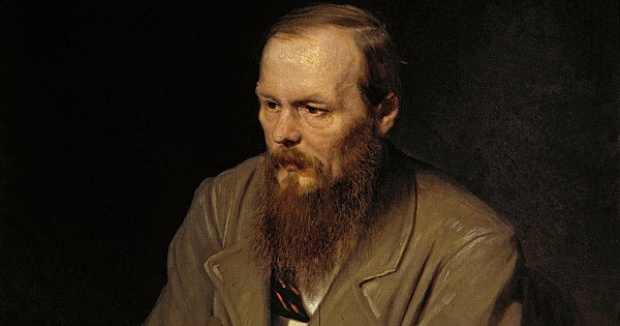
The Day Dostoyevsky Discovered the Meaning of Life in a Dream – the Marginalian
A man on the verge of suicide pauses - not because of a philosophical argument or a sudden surge of will to live, but because a small girl in ragged clothes grabs his arm and begs for help, and he cannot reconcile his indifference with the pity he still, inexplicably, feels. In Dostoyevsky's late story "The Dream of a Ridiculous Man," that unresolved contradiction becomes the crack through which meaning re-enters a life that had sealed itself shut against it. The protagonist's dream carries him through death and into a world where human beings have not yet lost their way, and he wakes transformed - not by doctrine, but by vision. What Dostoyevsky surfaces, with the quiet force of lived conviction, is something both ancient and startling: that the capacity for goodness is not achieved but remembered, and that even a man who has talked himself into believing nothing matters cannot fully extinguish his response to a child in need. "The one thing is - love thy neighbor as thyself," the narrator concludes - not as commandment, but as discovery, something he feels he saw rather than reasoned his way toward.