News Story
 Arts
themarginalian.org · 12 hours ago
How to Unself in Order to Be Who You Really Are – the Marginalian
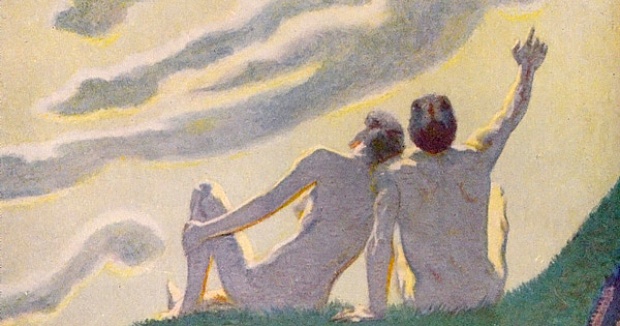
Maria Popova's exploration of philosopher Iris Murdoch's concept of "unselfing" offers a quietly radical way of understanding goodness - not as a moral achievement we strain toward, but as something that happens when we stop clinging to ourselves long enough to truly see. Murdoch's image is arrestingly simple: a person brooding over wounded pride glances out a window, and suddenly "there is nothing now but kestrel" - the anxious self dissolved, if only for a moment, by the sheer independent existence of another living thing. What Murdoch argues, and Popova illuminates, is that this capacity for self-forgetfulness is not weakness but the very foundation of moral life, the place where genuine attention to others becomes possible. Both nature and art, at their best, train us in exactly this - not by flattering the ego but by making it temporarily irrelevant. That "virtue is the attempt to pierce the veil of selfish consciousness and join the world as it really is" may be the most honest and demanding definition of goodness anyone has offered.