News Story
 Inspiration
themarginalian.org · 2 hours ago
Love After Life: Nobel-Winning Physicist Richard Feynman’s Extraordinary Letter to His Departed Wife – the Marginalian
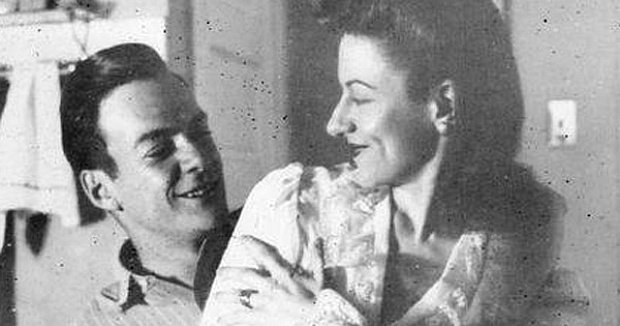
Sixteen months after his wife Arline died of tuberculosis at twenty-seven, Nobel Prize-winning physicist Richard Feynman - a man who explained away the stopped clock at her deathbed with mechanical reasoning, who believed every mystery had a physical answer not yet found - sat down and wrote her a love letter anyway. "You, dead, are so much better than anyone else alive," he told her, and meant it without apology or embarrassment, signing off with a postscript that acknowledged the impossible with the only tool he had left: "Please excuse my not mailing this - but I don't know your new address." What biographer James Gleick discovered in that box of unsent letters decades later was not a contradiction of Feynman's fierce rationalism but something rarer - evidence that love, when it is real enough, does not wait for a coherent framework before it acts. The letter stands as quiet proof that even the most rigorously logical among us carry a tenderness that reason cannot fully contain, and that sometimes the most honest thing a person can do is write into the silence and mean every word.