News Story
 Environment
The Better India · 23 hours ago
North Bengal Tea Estates Reduce Razor Wire for Elephant Corridors
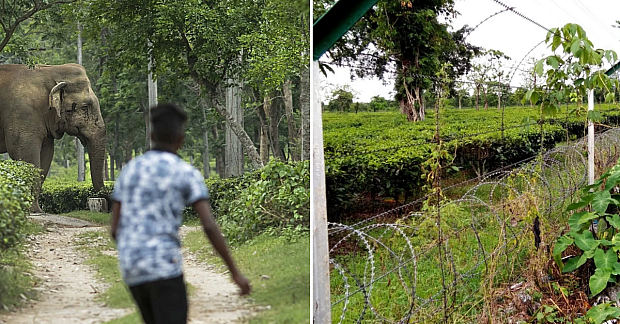
In North Bengal's Dooars region, tea estates, forest patches, and elephant migration routes share the same landscape - a fact that, for years, made razor-wire fencing a quiet source of harm to both wildlife and the people living alongside it. After a 2019 survey documented 134.7 kilometers of such fencing cutting across eight elephant corridors, conservationists from the Wildlife Trust of India and SPOAR began years of patient engagement with estate managers, government agencies, and local communities. By 2026, that figure had fallen to 34.8 kilometers - a reduction that, as the reassessment carefully notes, reflects "a combination of removal, deterioration and fencing not being reinstalled." The story resists easy triumph: low-hanging power lines now pose new hazards, and the numbers measure changed infrastructure, not confirmed safety. But what the long arc of this work quietly demonstrates is that when people sit together long enough to see a shared problem clearly, the landscape itself can begin to change.