News Story
 Inspiration
themarginalian.org · 12 hours ago
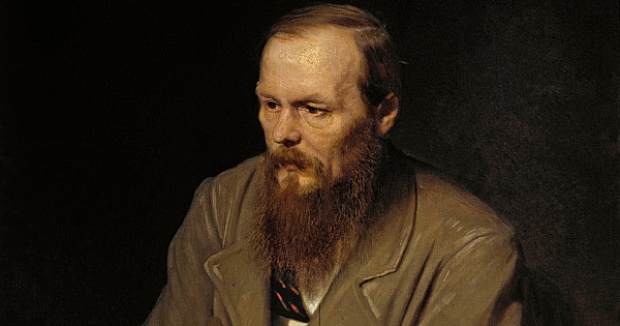
Dostoyevsky, Just After His Death Sentence Was Repealed, on the Meaning of Life – the Marginalian
In December 1849, Fyodor Dostoyevsky stood before an execution stake in a Saint Petersburg square, convinced he had minutes to live, before a last-minute reprieve revealed the entire spectacle had been a tsar's cruel theater. Hours later, writing to his brother from that raw threshold between death and life, he distilled what the experience had burned into him: "Life is everywhere, life is in us ourselves, not outside... to be a human being among people and to remain one forever, no matter in what circumstances, not to grow despondent and not to lose heart - that's what life is all about." What is quietly astonishing in the letter is not the gratitude, which is expected, but the tenderness - his first instinct toward anyone who remembered him with grievance was to ask his brother to tell them to forget it, because "there is no bile or spite in my soul." Facing four years in a Siberian labor camp, he wrote not of injustice but of regeneration, not of what had been stolen but of what remained: a heart capable of love, suffering, pity, and memory. The letter stands as evidence that extremity, at its most clarifying, does not make people smaller - it can strip away everything but what was most essentially human in them all along.