News Story
 Community
yesmagazine.org · 15 hours ago
Massive Public Transit Win in Chicago Shows the Power of Grassroots Coalitions - YES! Magazine Solutions Journalism
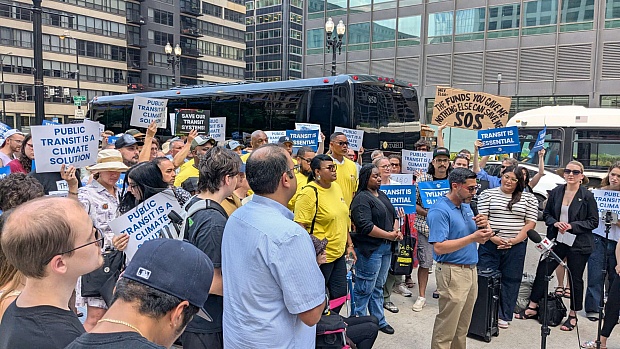
For decades, Chicago's fragmented transit system quietly mapped the region's racial and economic divisions onto daily life - a South Side resident commuting to suburban warehouse work might navigate two or three separate agencies, mismatched schedules, and fares that didn't speak to each other, all before a morning shift. That changed on September 1, when the Northern Illinois Transit Authority launched as a unified regional system, backed by $1.5 billion in new annual funding - the largest transit investment in the region's history in more than 40 years. It took four years of coalition-building, 700 people at town hall meetings, lobby days, labor negotiations, and riders at Metra stations telling their stories to lawmakers before the legislature finally passed the NITA Act in the final hours of a special session. As the organizers put it, "this campaign shows that low-income communities organizing for environmental justice can win real improvements in people's lives that also dramatically reduce carbon footprints, even in the face of devastating attacks from Washington." What the story reveals is something quiet and stubborn: that the infrastructure of daily life - a bus that actually comes, a fare system that doesn't punish a transfer - is worth fighting for, and that the people most burdened by broken systems are often the ones most determined to fix them.