News Story
 Community
theconversation.com · 9 hours ago
‘Let Nothing Be forgotten’: Holocaust Survivors’ Memorial Books Honored Lives Lost and Vibrant Hometowns
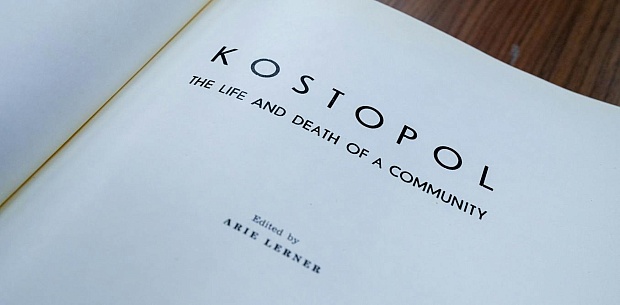
After the Holocaust, survivors scattered across continents did something quietly extraordinary: they found one another and built books. More than 1,000 of these "yizker bikher," or memorial books, were created by Eastern European Jewish communities to honor the towns and people destroyed by the Nazi genocide - filled with photographs of sports teams and market squares, hand-drawn maps labeled with the nicknames locals used for streets, school report cards, song lyrics, and first-person testimony. Crucially, around two-thirds of each volume was devoted not to death but to life before it, insisting, as one editor wrote, that the books exist "to tell the orphaned generation and the generations to come all that the community experienced from its very beginning hundreds of years ago to its terrible destruction." It was a scholar of Holocaust memory, searching for her own grandmother's name in the pages of "Sefer Kostopol," who came to understand what these volumes truly are: not history, not literature, not photo albums, but something that defies category precisely because grief that vast requires a form large enough to hold everything. These books are an act of refusal - the refusal to let the dead be remembered only by the manner of their dying.