News Story
 Inspiration
themarginalian.org · 6 hours ago
What Is Your Refugium? – the Marginalian
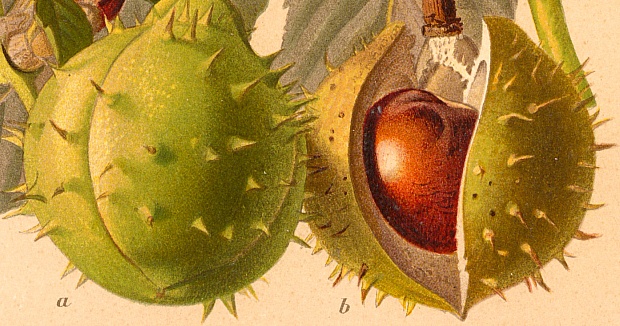
Three million years ago, horse chestnut trees survived the Ice Age not by force but by finding shelter - tucked into the gorges of Bulgarian mountains, where they had just enough safety to experiment their way toward survival. Maria Popova traces this botanical history into something more personal: a meditation on what she calls refugia, those protected pockets where life persists and, given enough time, transforms. Drawing on poet Hannah Fries's observation that "the gift of a refugium is time - it holds in its small cup of safety a promise for a new world to come," Popova widens the lens from geology to the interior life, asking what shelters each of us during our own ice ages. The essay arrives at a quietly urgent conclusion - that a refugium need not be vast or permanent, only tended: "a place, a person, a practice, a poem." There is something steadying in the reminder that survival has always required not just endurance, but a somewhere safe enough to become.