News Story
 Arts
themarginalian.org · 7 hours ago
Music and the Body: Richard Powers on the Power of Song – the Marginalian
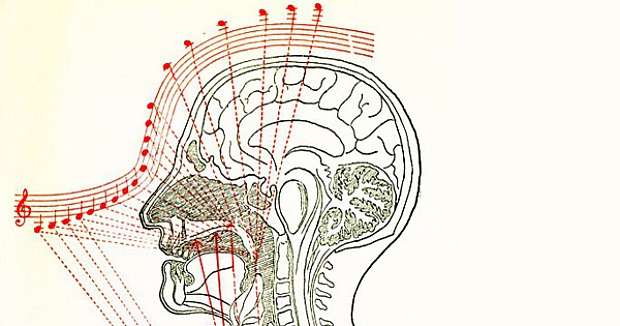
Music, Richard Powers suggests in his 2003 novel *The Time of Our Singing*, is not ornament but orientation - the thing that reminds us, as one character puts it, "how short a time we have a body." Maria Popova's essay draws from the novel to trace music's power across generations and across the distances that ordinarily separate people from one another and from themselves: a young Black woman in 1930s Philadelphia who discovers that "singing might make more sense of life than living had to start with," and a small boy at The Cloisters who sits inside a choir's sound and feels it "run through and rearrange" him before he has words for what is happening. What Powers illuminates, and what Popova surfaces with characteristic care, is that music does not lift us out of our humanity but deeper into it - dissolving the boundaries between self and other long enough for something true to pass between them.