News Story
 Inspiration
Upworthy · 9 hours ago
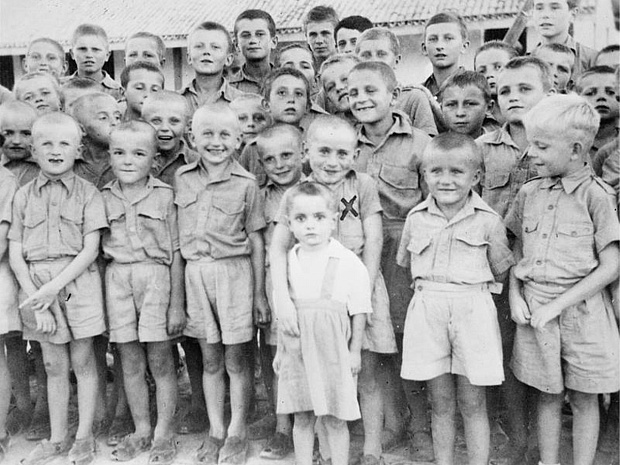
A Rich Maharaja Took in 1,000 Polish Kids During WWII, Recreating Their Home on Indian Soil
When nearly 1,000 Polish children arrived in the Indian state of Nawanagar during World War II - having already survived Soviet labor camps, displacement, and years of fear - Maharaja Digvijaysinhji Ranjitsinhji Jadeja did something quietly radical: he built them a world. At the camp in Balachadi, the children attended school in their native language, celebrated Christmas, played on open fields, and heard the Polish national anthem rise each morning over a land that was not their own - because the maharaja insisted it should. He welcomed each new group of arrivals with the words, "Do not consider yourself orphans any more. You are now Nawanagaris, and I am Bapu, father of all the people of Nawanagar, so also yours." What he understood intuitively - that a child needs not just safety but continuity, identity, and the freedom to simply be a child - took the modern humanitarian world decades to codify. One of those children, Wieslaw Stypula, would later reflect, "In this very grim scenario, I was adopted by people of a country I did not even know. It was here that I found happiness."