News Story
 Community
NPR · 15 hours ago
Navajo Voters Hop tractors, Make Extraordinary Efforts to Vote After Widespread Flooding
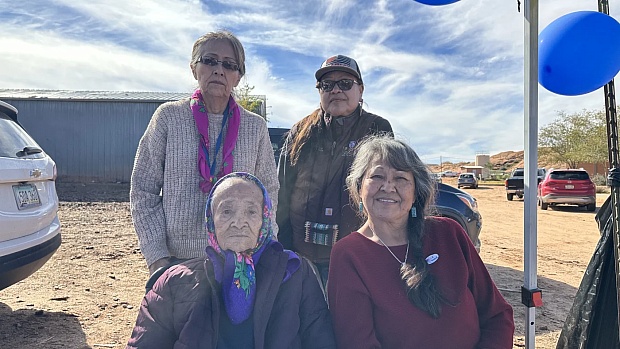
After three floods in a single month - the worst carving ravines around her house and stranding her overnight in a car - 92-year-old Lilien Begay, who lost her home and all of her identification documents, still made it to the polls in Dennehotso, Arizona, because, as her daughter Vera quietly explained, "she's never missed her vote - all her life she's come here for voting." On election day, a backhoe was still building a temporary road so cut-off residents could reach the chapterhouse, while volunteer drivers shuttled elders and neighbors who had driven hours through the mud. The same man who had waded through floodwaters trying to reach Phyllis Yazzie in the dark - unable to find the road that had simply ceased to exist - was back out in his community, helping people find their way again. What the flooding revealed, more than the destruction, was something that had always been there: the conviction, as one young voter put it, that "it means a lot more to our people to come out and vote" precisely because of what they are living through. On a day when people who may disagree about everything else were laughing and crying together over fry bread and mutton stew, the act of voting became less a civic duty than a declaration that the community itself endures.