News Story
 Arts
themarginalian.org · 13 hours ago
The Souls of Animals – the Marginalian
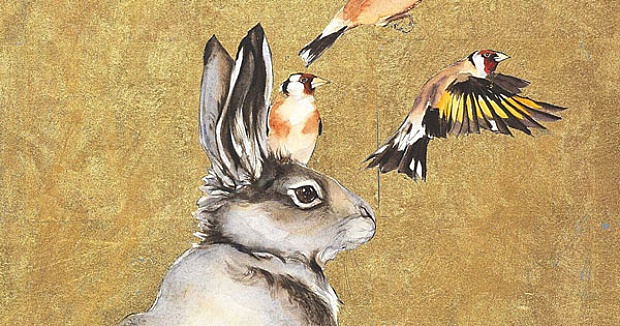
When a nineteenth-century naturalist wounded a tern and watched other terns take turns carrying the injured bird to shore - two at a time, one at each wing - he found he could not bring himself to finish what he had set out to do. That moment, small and unrepeatable, sits near the heart of Gary Kowalski's 1991 inquiry into animal souls, which Maria Popova revisits here with characteristic depth. Kowalski, a parish minister who spends his days with the dying and the grieving, defines soul not as something otherworldly but as what stirs "at the point where our lives intersect with the timeless, in our love of goodness, our passion for beauty, our quest for meaning and truth" - and he finds it everywhere he looks: in an elephant's drawings praised by an art professor before he knew their source, in birds who sing far beyond what survival requires, in primates who risk their lives for one another. What the essay quietly insists is that our long habit of denying inner lives to other creatures says less about them than about us - and that in recovering a sense of kinship with the nonhuman world, we do not diminish what it means to be human but finally begin to understand it.