News Story
 Inspiration
Greater Good · 4 hours ago
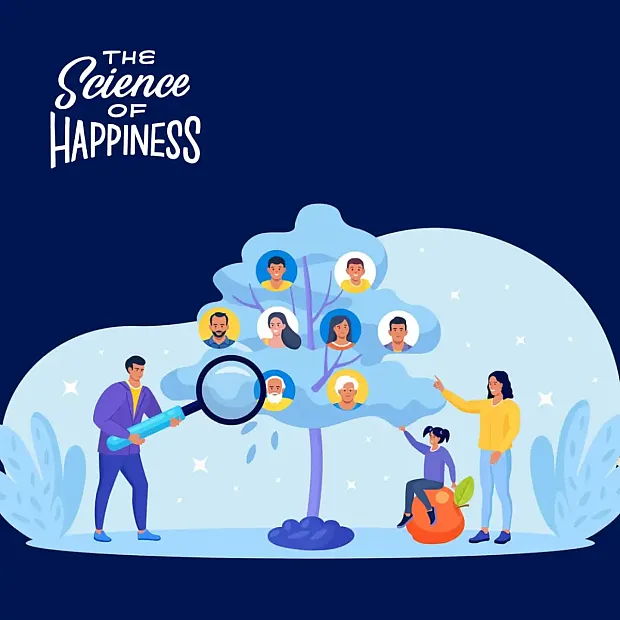
The Hidden Power of Knowing Where You Come From
When artist and oral historian Mi'Jan Celie Tho-Biaz sat down to write about her great-great-grandmother Emma - the last enslaved person in her family line, a woman whose fingers a slaveholder tried to hammer off for the crime of knowing how to write - she wasn't looking for history. She was looking for herself. The practice was simple: spend five minutes imagining an ancestor's life, then write what they might say to you today. What came back surprised her: not solemnity, but joy - Emma's pure, uncomplicated happiness that her descendant gets to wander freely through the world, pursuing projects and dreams that bondage made unimaginable. Psychologist Susan Moore, whose research confirms what many cultures have always known, puts it plainly: "Putting yourself not just in the context of your own life, but in that longer context of the lives of your ancestors... gives us more than just an individual story - it gives us a family story and a cultural story too." There is something quietly radical in the idea that the dead can help the living find agency - that by imaginatively entering another person's suffering and survival, we might finally feel permission to inhabit our own lives.