News Story
 Environment
theconversation.com · 2 hours ago
‘I Heard a Barnacle’ – How Paying Attention to nature’s Background Noise Can Reveal Animal Secrets
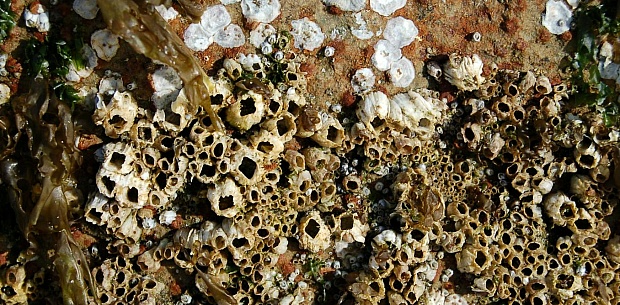
A biology professor surrounded by orcas, marmots, and rare hermit crabs on Washington's Olympic Peninsula finds that the encounter he cannot stop talking about is the sound of a barnacle - a creature he had seen thousands of times but never truly noticed. The story turns on a quiet distinction: encountering something and actually watching what it does are not the same thing, and the gap between them is where curiosity lives. As he writes, "a name can be useful, but it can also sneak in an explanation" - a warning that applies as much to how people move through the world as to how scientists study it. He is equally careful not to overclaim his own discovery, noting that what he witnessed was an observation, not a demonstration, and that "noticing something is the start of science" rather than its conclusion. What this professor offers, finally, is less a lesson in natural history than a practice of attention - the willingness to stay longer than feels necessary, to let the familiar become strange again, and to resist the comfort of thinking you already know what you are looking at.