News Story
 Schools
Greater Good · 9 hours ago
How India Is Embracing Social-Emotional Learning
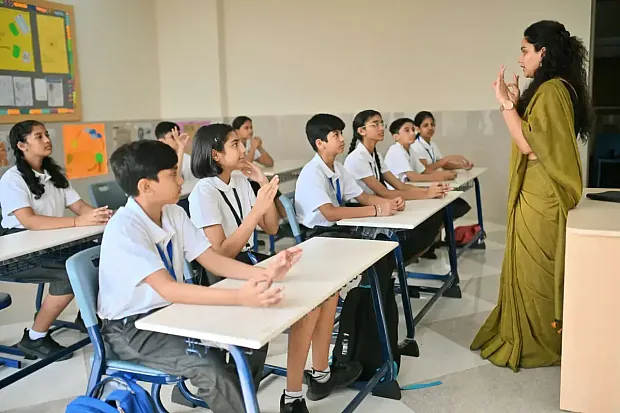
Across India's sprawling education system - one that serves 167 million children - a quieter question is taking root: who is caring for the people who care for everyone else? As social-emotional learning gains formal recognition in national policy, schools like the Kaveri Group of Institutes in Pune are discovering that sustainable change begins not with new mandates, but with treating teachers as whole human beings, drawing on ancient frameworks like the Panchakosha model alongside modern counseling and listening circles. "The primary need is psychological safety," says teacher Aditi Ramanathan - "instead of constantly viewing teachers as being emotionally self-sufficient, creating a space where they can ask for help." The work is uneven and subject to political winds that can undo years of careful progress, yet educators persist, weaving together cultural wisdom and emerging research to build something that outlasts any single curriculum. What emerges from their efforts is a recognition that the capacity to nurture children cannot be extracted from people who are themselves running on empty - and that tending to the inner life of a teacher may be one of the most consequential things a school can do.