News Story
 Arts
themarginalian.org · 17 hours ago
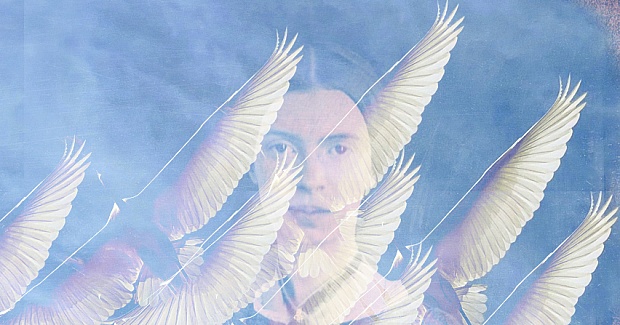
Hope Is the Thing with Feathers, and with Fangs: the Alchemy of Unrequited Love and the Story Behind Emily Dickinson’s...
Maria Popova traces the hidden grief behind Emily Dickinson's most beloved poem - a terror the poet said she "could tell to none" - to Kate Scott Anthon, a widowed woman whose brief, electric presence in Dickinson's life and sudden departure left a wound that never fully closed. Their story, pieced together from letters, marginalia, and verse, reveals how love that cannot be named or returned does not simply disappear; it goes looking for another form. "Hope is what we call the bridge between this universe and that one," Popova writes, and in Dickinson's case, that bridge was built from the very wreckage of longing - the famous little bird singing on, asking nothing, having already given everything. What emerges from this telling is something quieter than biography: a portrait of what humans do when feeling outpaces what the world permits them to say, which is to make something that outlasts them both.