News Story
 Youth
Good News Network · 7 hours ago
Interpreting Autistic Cues Is Difficult, a Teen Built an App That’s Helping Hundreds of Families
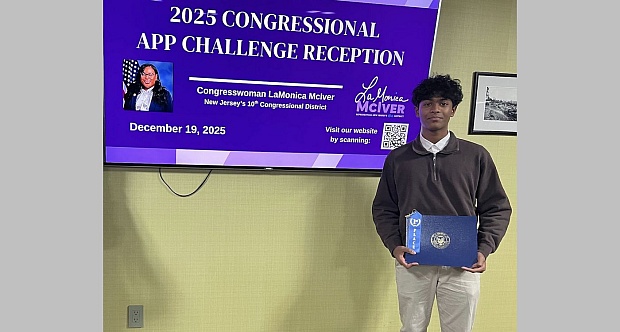
When Shashank Madala watched the adults who loved his autistic cousin most gather around him at family gatherings and guess wrong about what he needed, he noticed something that changed the direction of his work: the boy eventually stopped trying to tell them. At 15, with a single computer science class behind him, Madala taught himself machine learning and built Kora, a free app now used by more than 700 families across 12 countries - not to analyze the child, but to slow the adult down. His early versions offered caregivers one confident answer, and he recognized that this repeated the original failure; he rebuilt the app to surface uncertainty, offering multiple possible readings and flagging what it doesn't know. "A tool that announces that a child is angry invites the adult to stop looking at the child," he wrote - a quiet rebuke to the assumption that technology should replace attention rather than restore it. As he put it himself, "The most useful thing I have ever built came out of paying close attention to one person," which turns out to be a lesson not just about software, but about what connection requires.