News Story
 Inspiration
themarginalian.org · 14 hours ago
What Makes You Yourself: Posidonia Australis, Pando, and the Paradox of Personhood – the Marginalian
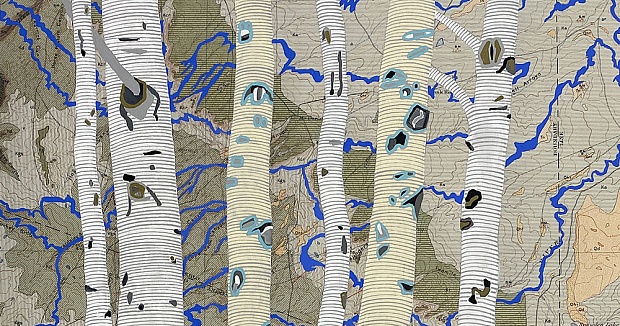
Maria Popova uses two of Earth's most ancient living organisms - the seagrass *Posidonia australis*, cloning itself since before the pyramids, and the Pando aspen grove, a single genetic entity sprawling across 47,000 trees - to press on one of philosophy's most quietly unsettling questions: what makes a person continuous with themselves across a lifetime of change? The essay moves through biology, memory, and the Ship of Theseus to arrive somewhere unexpectedly tender: that identity is neither fixed root nor singular stem, but something more like a forest, always in relation. "You are the idea of you," Popova writes, "the forest of your selves in constant conviviality with other selves, called again and again to unself into who you really are." What the science and the poetry together reveal is that selfhood was never a possession to protect but a process to inhabit - and that the most honest answer to who we are might be found not in what persists, but in what keeps reaching toward the light.