News Story
 Environment
Reasons To Be Cheerful · 6 hours ago
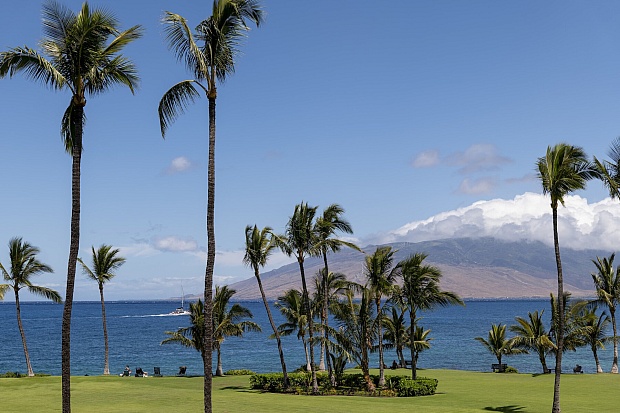
Maui Is Becoming a Living Laboratory for Regenerative Tourism
After the 2023 wildfires reduced much of Lahaina to ash, Maui's residents faced not only the task of rebuilding structures but of reckoning with the deeper vulnerabilities the disaster had exposed - in housing, food security, water, and a tourism economy long overdue for reimagining. What emerged was something harder to plan for than infrastructure: a collective turning toward the land and each other. Kenneth "Duane" Sparkman, who arrived on a one-way ticket from Texas at nineteen and never left, now GPS-maps stressed trees so they can be found and watered, while Gary Grube's Hua Momona Foundation has served meals of Portuguese sausage, loco moco, and rice to displaced families - familiar food, intentionally so, because comfort in crisis is its own form of care. "The aim is trying to get the community back into the ʻāina, back into the ground, back into growing food and being part of that cycle," Sparkman says, articulating what regenerative work really means: not restoration to a prior state, but a deeper rootedness than existed before. What Maui is slowly demonstrating is that recovery, when it is honest about what was broken to begin with, can become something closer to healing.