News Story
 Technology
The Optimist Daily · 3 hours ago
This Tourette’s Wrist Device Cut Tics by a Quarter in a Uk Trial | the Optimist Daily
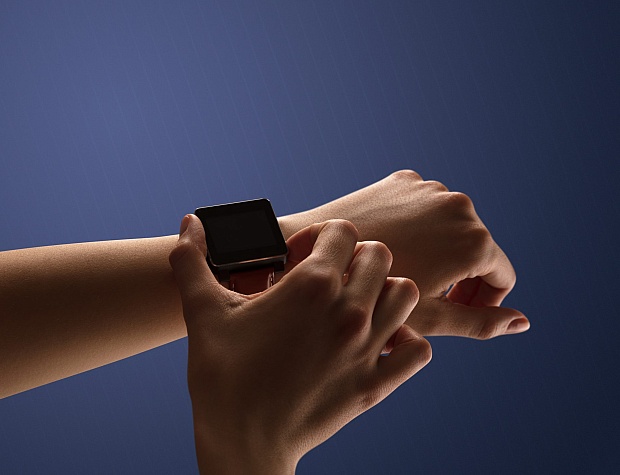
For the hundreds of thousands of people living with Tourette's syndrome, the struggle is often less about the tics themselves than about what they take away - sleep, school, the ability to move through the world without being watched. A small wrist device developed at the University of Nottingham, which sends rhythmic electrical pulses into the median nerve, has begun giving some of that back: in a 2023 clinical trial, it reduced tic frequency by an average of 25 percent, though the people wearing it tend to describe the effect in terms no statistic quite captures. When 15-year-old Katie first switched it on, she "just cried the whole way home," and Ollie, whose neck had been moving involuntarily for months, called his parents with shaking hands to tell them it had stopped - "It's like getting part of your life back," he said. The researcher who led the work, Professor Stephen Jackson, described hearing that users had made it through wedding vows and airport terminals without tics as "a dream come true," a phrase that says something about how long this kind of relief has been waited for. The device is not yet available through the NHS, and the science is still unfolding, but what these early accounts reveal is how much of ordinary life had quietly gone missing - and how much can return when the body is finally given a moment of stillness.