News Story
 Community
Reasons To Be Cheerful · 1 hour ago
Can Barbershops Turn Trust Into Better Health for Black Men?
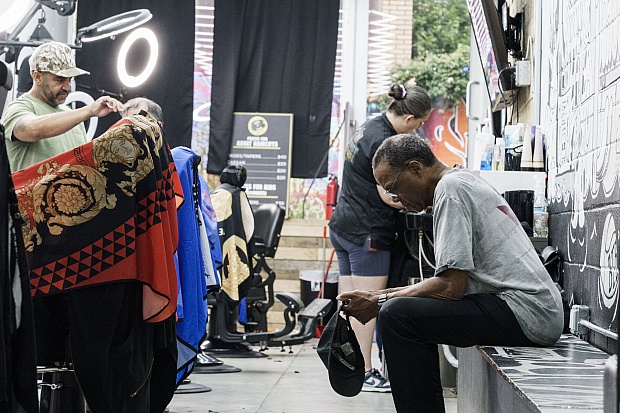
For decades, Black barbershops have held something that medicine rarely earns quickly: trust. A study called CLIP tried to meet that trust where it lived - in the chair, in the conversation, in the easy rhythm of a place where the same men return month after month - by bringing blood-pressure screenings into 22 Black-owned barbershops on Staten Island, where roughly six in ten non-Hispanic Black men have hypertension and fewer than one in four young men with the condition know it. The community health workers doing the screenings were often customers themselves, their presence unremarkable, their approach unhurried - "I allowed the men to decide whether they wanted to engage with me," one worker said. Blood-pressure numbers moved less than researchers had hoped, a reminder that what ails a person is shaped by forces far outside any single room, however trusted. But 96 percent of participants were still reachable at 18 months - an almost unheard-of figure - suggesting that when health care stops asking people to come to it and goes instead where belonging already exists, something quietly important becomes possible.