News Story
 Environment
The Optimist Daily · 14 hours ago
The Greek Coastline Cleanup That Turned Trash Into a Pollution Map | the Optimist Daily
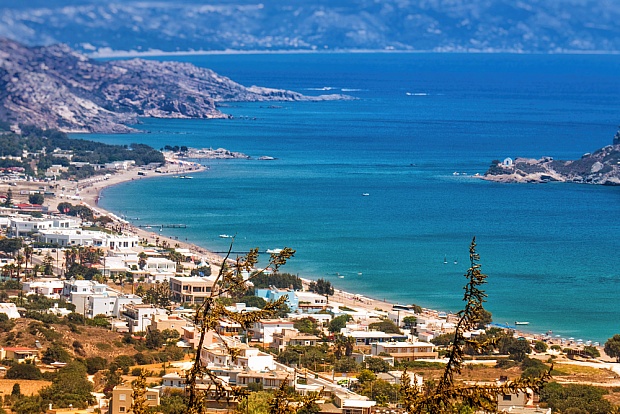
A beer can from a 1990s World Cup promotion, printed in Spanish, somehow came to rest on a small Greek islet 75 miles from Athens - and the crew that found it wrote it down. That act of writing, repeated across more than 10,000 cleanup operations and 1,140 tonnes of waste, is what separates the Typhoon Project from an ordinary beach sweep: every bottle, net, and wrapper becomes evidence, and seven years of sorting eventually forced an uncomfortable reckoning with the fact that much of what washes ashore never entered the sea at all. Thanasis Besios, who manages the project, considers the data as valuable as the cleared sand - "we have the largest database on marine pollution in the Mediterranean, and we are developing it every day" - and that record has since expanded the foundation's work inland to rivers, lakes, and archaeological sites. Wherever the ship anchors, the crew also visits local schools and brings students to the shoreline, because executive director Peggy Xirotagarou understands that clearing a beach and changing what reaches it are two different tasks, the second one measured not in tonnes but in the habits of people who are still children. The project reveals something quietly serious about how lasting change works: you have to count what you find before you can trace it home.