News Story
 Environment
Reasons To Be Cheerful · 10 hours ago
The People Who Became Wildlife
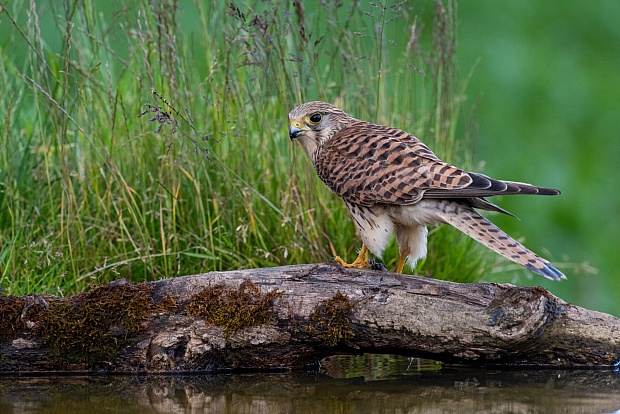
When a retired resident of Taunton began spending hours at the river's edge trying to perceive the landscape as a kestrel would, she expected to find freedom - instead she found fragmentation, threat, and the quiet shock of a world made nearly uninhabitable. Helen Lawy's experience is part of a rigorous experiment by the Accelerator for Systemic Risk Assessment, in which eighteen volunteers along the River Tone in Somerset embodied the sensory lives of otters, salmon, earthworms, and kestrels to uncover ecological harms that conventional risk assessments routinely miss. "Once I really began to delve into what it might be like to be a kestrel," Lawy reflects, "I realized actually my options were very limited because it's so difficult to find areas where I can find food." That shift in perspective moved from the personal to the political - contributing to Somerset's first River Rights Charter and prompting Lawy herself to propose new land management practices that her neighbors, to her own surprise, readily embraced. What the project quietly reveals is that empathy, even when imperfect and imaginative, can become a form of evidence - and that the distance between caring about nature and acting to protect it may be shorter than it seems.