News Story
 Inspiration
The Better India · 5 hours ago
Over 100 Years Ago, This Indian Scientist Took a Projector to Villages to Fight Malaria
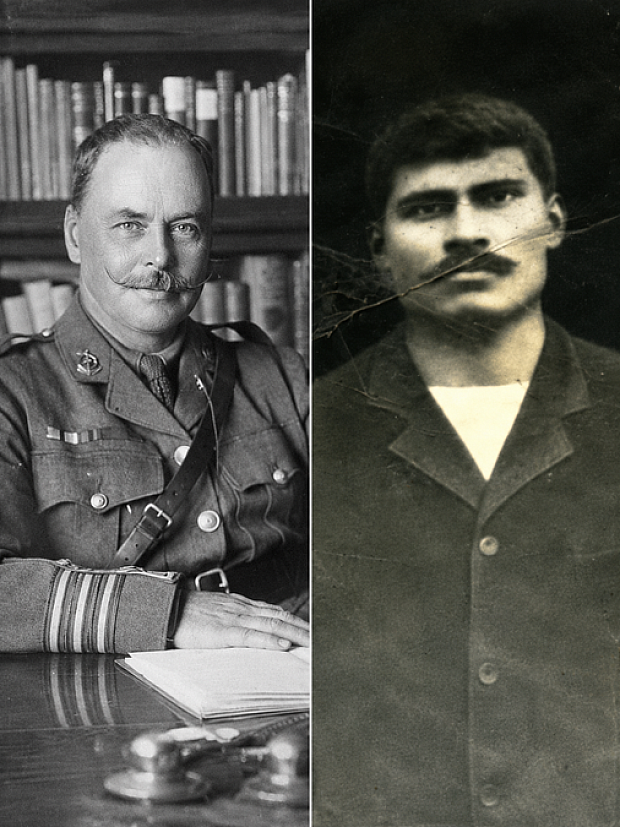
Kishori Mohan Bandyopadhyay helped unlock one of medicine's most consequential discoveries - how mosquitoes spread malaria - yet when Ronald Ross accepted the Nobel Prize in 1902, Kishori Mohan's fieldwork, his village travels, his blood tests and mosquito dissections, went largely unacknowledged. What followed says something quietly remarkable: rather than retreating from a world that had overlooked him, he walked deeper into it, carrying a magic lantern projector from village to village across Bengal so that ordinary people could see, in projected images, exactly what was threatening their lives. He believed, in practice as much as in principle, that "scientific knowledge should reach those who needed it most" - and when institutional efforts weren't enough, he sold his wife's gold ornaments to found a cooperative bank that freed his neighbors from predatory moneylenders. His life traces a particular kind of integrity, the kind that doesn't require recognition to stay the course, and that measures the value of knowledge not by who awards it but by how many people it actually reaches.