News Story
 Arts
themarginalian.org · 3 hours ago
Where the Joy Is – the Marginalian
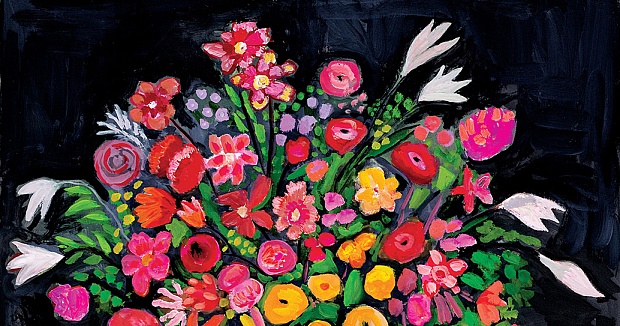
In her book *Joy*, artist-philosopher Maira Kalman does something quietly radical: she paints Beethoven composing "Ode to Joy" in total deafness, Virginia Woolf's surprisingly colorful sitting room, Kafka beneath his black hat - and asks us to see not tragedy but companionship across time, the reminder that joy has always been chosen under impossible conditions. Maria Popova, reflecting on Kalman's work, names what so many feel but rarely say: that "in this age of grandiose, we have forgotten that joy is a plurality of smallnesses," a function of the little things that bloom through the cracks of ordinary days. The book's quiet argument is that joy is not the opposite of suffering but its counterweight - the fulcrum, as Popova puts it, of our resilience in suffering's midst. What Kalman offers, page by painted page - a fig tree, a child's gaze, a man playing Bach under a cherry tree - is not escape but attention, the practice of contracting the aperture of the eye until a single moment holds everything. Because how we spend our attention, as the essay suggests, is finally how we spend our lives.