News Story
 Elders
themarginalian.org · 16 hours ago
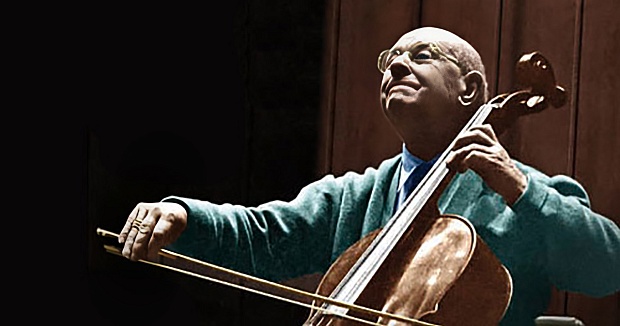
Legendary Cellist Pablo Casals, at Age 93, on Creative Vitality and How Working with Love Prolongs Your Life – the...
At 93, Pablo Casals still began each morning at the piano, playing Bach - not out of habit, but out of something closer to devotion. "It is a rediscovery of the world of which I have the joy of being a part," he wrote, and his life bore that out: a cellist widely regarded as the greatest of his time, who survived a near-suicidal crisis in his youth and went on to work, wonder, and resist oppression well into his tenth decade. What Maria Popova surfaces in her reflection on Casals's memoir *Joys and Sorrows* is a quiet argument against the idea that vitality is something we are simply given or eventually lose - that it is, instead, something we tend. Casals believed the deepest use of talent was not performance but offering: "One's work should be a salute to life."