News Story
 Everyday Heroes
Good News Network · 1 hour ago
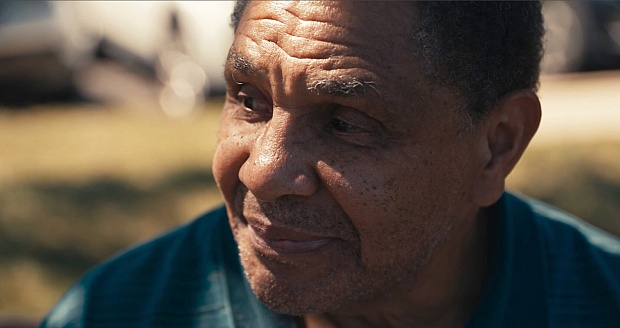
Freddie Nole Waits at the Prison Gates So No One Walks Out Alone
Every day, Freddie Nole drives to a prison gate and waits -- because he remembers what it felt like when the clothes didn't fit and the first night of freedom was spent at a parole office, walking "on pins and needles." What he offers the men and women he picks up isn't charity so much as witness: a meal, a phone, the chance to choose their own toast, and someone who understands that returning to the world after years away is its own kind of disorientation. Filmmaker Dana Nachman made a deliberate choice in telling his story -- to withhold his past until the end, letting viewers know him first as the man he became, because, as she put it, "we all change over time." That structure is itself an argument: that people are more than the worst thing they ever did, and that those who have lived through confinement are, as Nole believes, "the best teachers for those coming out." His joy, he says, is simple -- his wife, his grandchildren, the work -- and he names it with the quiet precision of someone who knows exactly what its absence cost.