News Story
 Arts
Good Good Good · 8 hours ago
Black Cartographers Are Reclaiming the Lost Art of Mapmaking
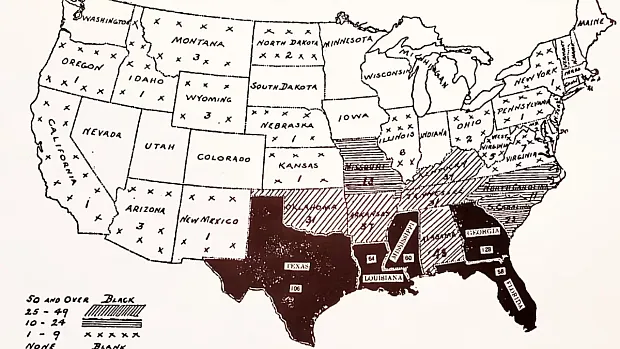
For centuries, maps have been used to organize the world in ways that erased Black lives, displaced Black families, and quietly encoded racism into the geography of American cities. A growing movement of Black cartographers, artists, and scholars is reclaiming that tool - using it not just to document harm, but to restore what was lost and imagine something different. Tonika Lewis Johnson's Folded Map Project, for instance, visually connects residents living at mirror-image addresses on racially divided sides of Chicago, a gesture so simple and so revealing that it prompted one participant to ask, "What is the narrative I'm holding about my own experience, and what does it mean if I widen that narrative to include other communities I could engage with?" Afro-Indigenous poet CooXooEii Black layers Native ledger art over topographic maps of places with racist names, writing poems from the tension between symbol and place, asking visitors to consider not just who came before, but how we ensure the hardest histories are neither forgotten nor repeated. What these projects share is a belief that stories told in the right form - visual, geographic, embodied - can do what facts alone cannot: make people feel where they stand.