News Story
 Environment
The Better India · 16 hours ago
Uttarakhand Forest Fires: How Women Are Leading Community Forest Protection
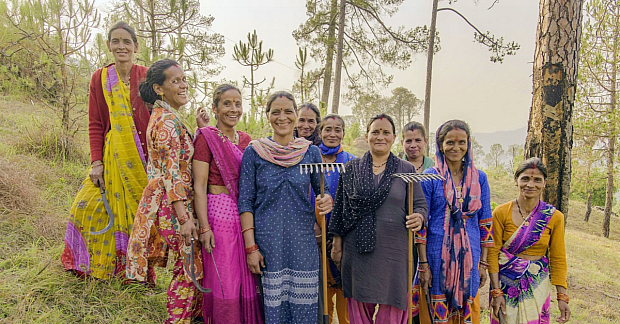
Every morning before dawn, 75-year-old Bhagirathi Devi walks into the forest beside her village in Uttarakhand - not because anyone assigned her the task, but because she understands what its loss would mean. Known locally as Van Amma, she began restoring 11.6 hectares of barren woodland in 2000, organizing other women to clear invasive species, plant native trees, regulate grazing, and remove the dry pine litter that feeds fires - and for over two decades, not a single forest fire has touched that land. Their daily labor of collecting fodder and firewood keeps them close enough to the forest to notice the first curl of smoke, making them, as researcher Kavya Pandey observed, "the first to respond to fires" - a role rooted not in heroism but in the intimate, practical knowledge of people whose households depend on what grows there. What Manar reveals is that forest protection, at its most durable, is not a government program or a firefighting operation - it is the quiet, sustained attention of those who cannot afford to look away. The harder question the story raises is whether that devotion, so long treated as an unpaid extension of domestic life, will finally be recognized as the essential public good it has always been.