News Story
 Environment
NPR · 8 hours ago
How Epic Wildlife Migrations Are Being Hit by Development and Climate Change
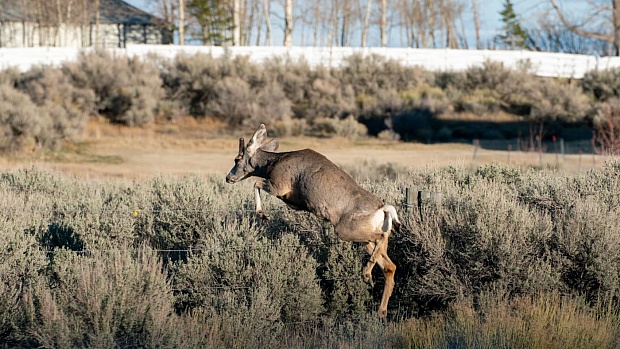
Every spring, thousands of mule deer undertake one of the longest land migrations in the lower 48 states - a 150-mile journey through Wyoming's sagebrush, timed with extraordinary precision to follow the first green shoots of the season as snow retreats up the mountains. Scientists call it "surfing the green wave," and the deer have been doing it for millennia, though now fences, roads, and subdivisions force them to hesitate at critical moments, throwing off a choreography refined over thousands of years. "The history of wildlife migration is one of loss," says wildlife biologist Matt Kauffman, "we are in this little race to map the migrations and figure out what tools we need to keep those landscapes open." What the story quietly reveals is that the race isn't being run only by scientists - rancher Maggie Miller has converted miles of barbed wire to wildlife-friendly fencing and placed a conservation easement on 19,000 acres, not out of obligation, but because, as she says, "I feel it belongs to the wildlife." The mule deer population has been cut in half since 1990, and the outcome remains uncertain, but the coalitions forming around these ancient pathways - researchers, ranchers, and state agencies working in the same direction - suggest that the will to preserve what remains is at least as stubborn as the forces eroding it.