News Story
 Schools
Good Good Good · 3 hours ago
Schools and Tribes Are Bringing Native Foods and Culture to the Cafeteria
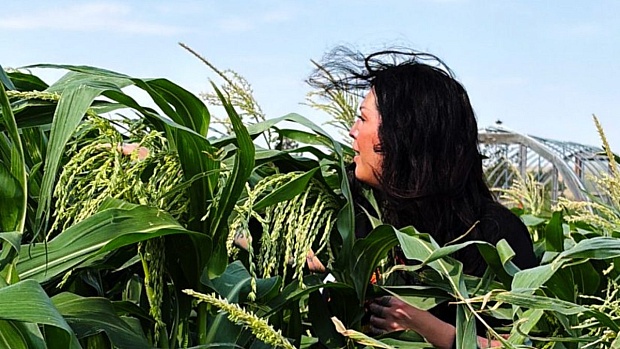
On a hot August afternoon in southeastern Wyoming, Lisa Ansell Frazier walked through rows of blue Hopi corn and touched the leaves with quiet reverence: "These are our babies," she said. "This is the corn that is going to our schools." What's unfolding across Native communities - from Wyoming's Wind River Reservation to Minneapolis to the Navajo Nation - is something more than a change in school menus; it is an act of restoration, returning to children foods that federal policy spent more than a century deliberately erasing. The lunch tray, once a site of cultural erasure, is becoming a place where a girl experiments with cooking bison in milk for her family, where students press smiley-face stickers beside bowls of chokecherry gravy, where an elder's knowledge travels 300 miles to reach a cafeteria. "When a student recognizes an Indigenous food in the cafeteria," said food service director Krystal Northcott, "I hope they don't just see another school lunch - I hope they see a piece of who they are." This is what healing can look like when it begins at the table.