News Story
 Environment
grist.org · 12 hours ago
Two Years After Hurricane Helene, Survivors Are Taking Lessons for the Future | Grist
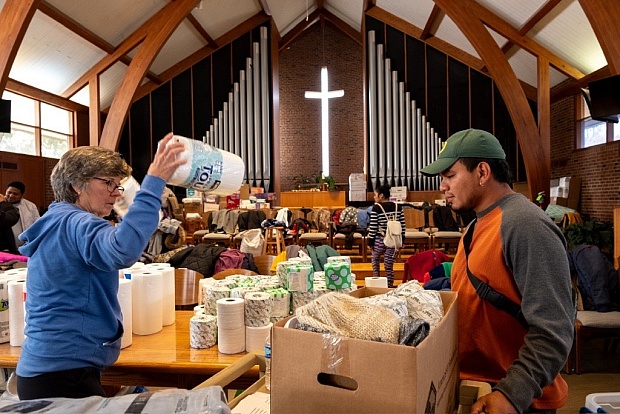
When Hurricane Helene tore through western North Carolina, it stripped away infrastructure and revealed something that had been there all along - a web of neighbors who, given the chance, would show up for one another. A man in sandals appeared with a chainsaw, cleared a fallen tree without a word, and drove away; a volunteer knocked on doors to find insulin and bottled oxygen for people who couldn't evacuate; a retired railroad worker turned a Saturday night radio hobby into a lifeline. Two years later, communities are working to make permanent what the storm made visible: solar microgrids at food banks, tool libraries teaching chainsaw safety to people in their seventies, two-way radio networks expanding across mountain ridges. "Radio's superpower is that it enables instantaneous ad hoc group communication," said Justin Hamel, who helped relay information to first responders during the disaster - a reminder that resilience, at its core, is less about infrastructure than about the practiced habit of reaching toward each other before the next storm arrives.