News Story
 Environment
NPR · 6 hours ago
Diy Fertilizer Is a Blessing for cash-strapped Farmers
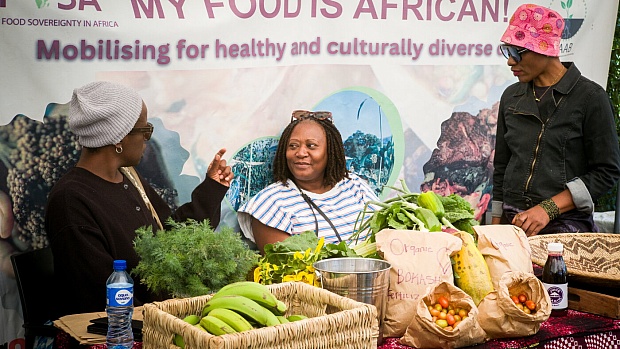
On 12 acres outside of Lusaka, Zambian farmer Kanangwa Newlove has quietly built something that global supply chains could not disrupt - a thriving, sustainable farm fertilized by an ancient fermented compost called bokashi, made from leaves, dung, ash, and a little sugar. While war and trade disruptions sent fertilizer prices spiking across Africa, farmers like Newlove were already sharing homemade batches at local markets and swapping techniques on social media, their resilience rooted not in policy but in knowledge passed between neighbors. Research at Copperbelt University found that bokashi matched the yields of mineral fertilizer, and in some cases, smaller amounts of both outperformed either alone - a quiet vindication of what smallholder farmers had already sensed. What emerges from this story is something larger than an agricultural workaround: it is a portrait of people tending the earth as if the relationship itself matters. "Even when you're making it, you don't need to wear a mask because it's not toxic," Newlove says. "So it's all just like a labor of love."