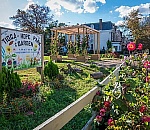
When Linda Lloyd's block in West Philadelphia was strewn with trash-filled vacant lots that served as hubs for drug deals and gang activity, it signaled to residents and criminals alike that "no one is watching, that no one cares." Through the LandCare program, crews transformed 12,000 blighted lots with simple interventions -- removing trash, cutting grass, adding soil -- creating not just green space but community assets where neighbors now hold barbecues, walk their dogs, and gather for Easter egg hunts. The impact extends far beyond aesthetics: research found a 29 percent reduction in gun violence near greened lots, a 41.5 percent reduction in depression among nearby residents, and a nationwide study revealed that greener counties experienced fewer fatal police shootings. What began as modest cleanup work has proven that place-based interventions can reshape entire neighborhoods, offering a low-cost alternative to policing that addresses the environmental roots of crime while restoring dignity to communities long neglected by design.