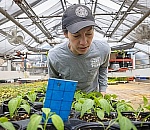
What was once dismissed as weeds is now flying off shelves at plant nurseries across the country, as gardeners rediscover that working with nature rather than against it offers something both practical and profound. At Chicago's Kilbourn Park, over 2,300 people lined up for the annual plant sale -- double the usual attendance -- with native species making up nearly one in five plants sold. "I've watched this for 44 years, from almost zero to now," says Neil Diboll, whose Wisconsin native plant nursery has seen sales multiply from thirteen thousand to hundreds of thousands annually. The shift reflects a quiet revolution in how people relate to their land: choosing plants with deep roots that prevent flooding, support vanishing pollinators like Monarch butterflies, and thrive without constant intervention. As one volunteer puts it, "We're not fighting against the climate here. We're working with it."