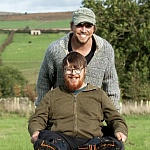
At Botton Village in North Yorkshire's moors, a philosophy researcher visits an old friend and finds something he didn't expect: a man transformed. Max, who had struggled to find his footing in conventional care arrangements, moves through the Esk Valley Camphill Community with what his friend describes as "a settled ease I hadn't seen in him before." His explanation is simple and quietly devastating: "It's been the best two years of my life. Much better than anything before." What the researcher gradually comes to understand - through months of shared meals, garden work, and community forums - is that Max hadn't just found better support. He had found a place where his presence mattered, where contribution and belonging were woven into the daily fabric of life rather than delivered on a schedule. The article raises a question that conventional social care policy rarely pauses long enough to ask: if what people most need is genuine community, what does it mean that we have built a system structurally designed to provide everything but that?