
"طالما استمر الفقر، فلا وجود للحرية الحقيقية." - نيلسون مانديلا
.jpg)
ما الذي يعزز الحرية الحقيقية؟ تعتقد كيم فاينبرغ، زميلة مؤسسة أشوكا، أن الإجابة على هذا السؤال الجوهري تكمن في التعليم الشامل:
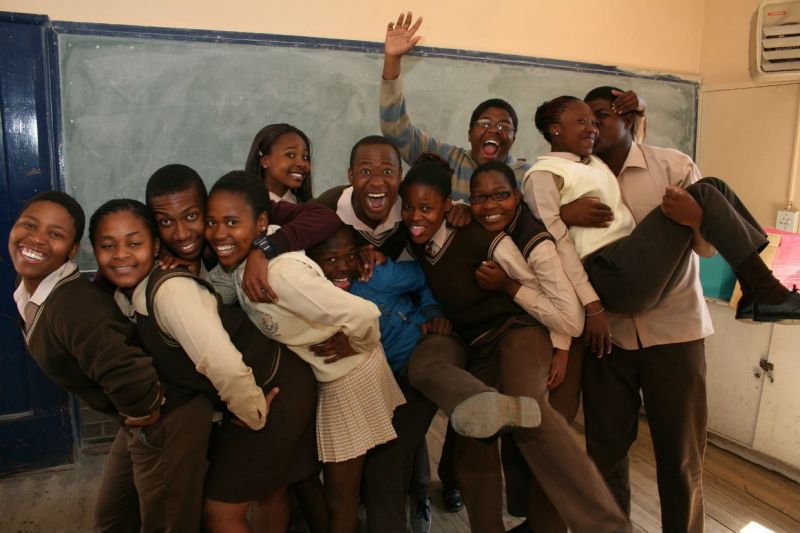
تبدأ قصة كيم فاينبرغ بتعزيز التعاطف لدى أطفال المدارس في جنوب إفريقيا من خلال دروس التاريخ الشفوي حول التمييز والتعصب. ولكن مع تطور قصتها، أصبح بناء التعاطف مجرد عنصر واحد من عملها لتثقيف وتمكين الشباب الأكثر ضعفاً ونقصاً في الموارد في البلاد. ومن خلال مؤسستها "مؤسسة الغد" ، ترى كيم طريقاً نحو الحرية الحقيقية لشباب جنوب إفريقيا في مرحلة ما بعد الفصل العنصري.
في عام 1997، وبعد عملها في مؤسسة شواه لتوثيق قصص الناجين من الإبادة الجماعية والاضطهاد، أسست مؤسسة التسامح التعليمي.
من خلال منهج دراسي تضمن قصصًا عن المحرقة اليهودية والإبادة الجماعية في رواندا، نقلت كيم قصص التمييز والتعصب الممنهج إلى جيل جديد من الطلاب الجنوب أفريقيين الذين لم تكن لديهم صلة مباشرة بنظام الفصل العنصري. انتُخبت كيم زميلة في مؤسسة أشوكا عام ٢٠٠٣ .
اكتسبت مؤسسة التسامح التعليمي زخمًا في مدارس جنوب إفريقيا ووصلت إلى آلاف الطلاب، إلا أن كيم سرعان ما أدركت أن البلاد تواجه مشاكل متجذرة أعمق. وكان التاريخ الشفوي لأيتام الإيدز في جنوب إفريقيا هو ما فتح عينيها على الحقيقة.
.jpg)
"كانت لحظة الإدراك الحقيقية عندما أدركت أنه يمكنك تعليم مهارات الحياة كما فعلنا مع مؤسسة التسامح، ولكن إذا لم يكن ذلك مدعومًا بشهادة أكاديمية أو مؤهل أو مهارة، فلن ينجح الأمر، لأنه لا أحد يوظفك ببساطة بناءً على مهارات الحياة." - كيم فاينبرغ
سد الثغرات
لا تزال جنوب أفريقيا تعاني من ارتفاع معدلات الإصابة بفيروس نقص المناعة البشرية/الإيدز؛ فبحسب اليونيسف ، بلغت نسبة البالغين المصابين بالفيروس 17.9% عام 2012، وفقد 2.5 مليون طفل آباءهم بسبب الإيدز. وبسبب غياب نماذج يحتذى بها من البالغين وأنظمة الدعم، يعتمد العديد من هؤلاء الأيتام على شبكة غير فعّالة من منظمات الخدمات الاجتماعية المحلية ومدارس تفتقر إلى التجهيزات اللازمة لتجاوز صعوبات مرحلة البلوغ.
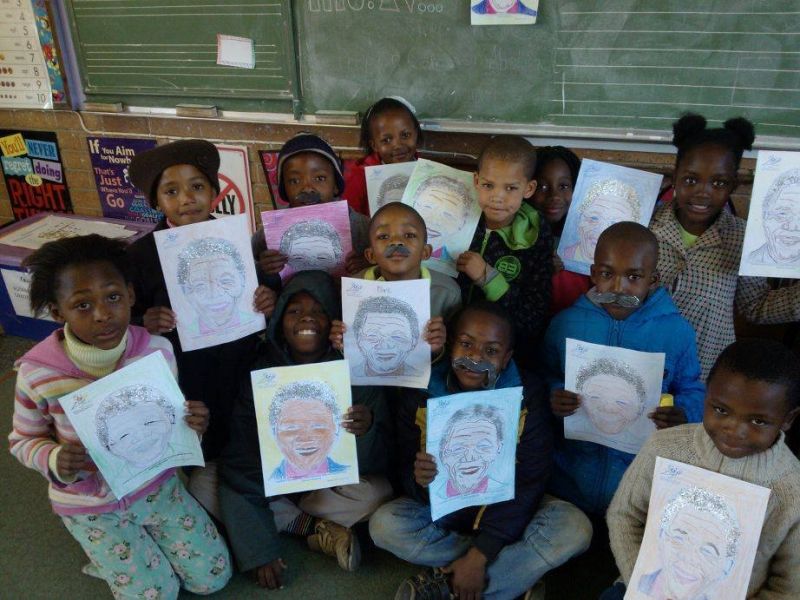
تُسدّ مؤسسة "تومورو ترست" الفجوات التعليمية للأطفال بدءًا من الصف التمهيدي (خمس سنوات) وحتى نهاية المرحلة الابتدائية. ويتم ذلك من خلال أنشطة أكاديمية ونفسية واجتماعية إضافية، تُقدّم أيام السبت والعطلات. وإلى جانب تعليم القراءة والكتابة والحساب والمهارات الحركية الدقيقة ومهارات الحاسوب، يُشجّع المعلمون الأطفال على طرح الأسئلة والمشاركة الفعّالة في تحقيق إمكاناتهم.
يتم قبول حوالي 60% من الشباب الذين يتخرجون من الصف الثاني عشر كمتعلمين في مؤسسة "تومورو ترست" في برنامج المؤسسة لما بعد المرحلة الثانوية لطلاب الكليات والجامعات. ويساهم هذا البرنامج في دعم نموهم الذاتي من خلال ورش العمل وبرامج الإرشاد.
منذ تأسيسها، استفاد ألفا شاب من برنامج "تومورو ترست". ومن خلال تعليم الأيتام ليصبحوا قدوة حسنة لأسرهم التي يرأسها أطفال، وتشجيعهم على التخلص من عقلية الضحية، تُقدّر كيم أن "تومورو ترست" قد أثرت بشكل غير مباشر على ستة أضعاف هذا العدد من الأشخاص.
تقول كيم: "إذا كانت مؤسسة تومورو ترست تُنشئ نماذج إيجابية يُحتذى بها، فإنهم يُغيرون عائلاتهم ومجتمعاتهم، لأنهم يرون الآن قصة مختلفة تمامًا، ويريدون قصة مختلفة تمامًا. لذلك، فإنك تُحدث تأثيرات واسعة النطاق."
الامتنان يولد التعاطف
صُممت دورة حياة مؤسسة "تومورو ترست" بنظام تغذية راجعة، حيث يُطلب من طلاب التعليم ما بعد الثانوي تخصيص 10 ساعات سنويًا لمساعدة طلاب المرحلة الابتدائية. إضافةً إلى ذلك، يُطلب من خريجي "تومورو ترست" التبرع بنسبة 10% من رواتبهم خلال أول عامين من حياتهم العملية لدعم البرنامج.
تقول كيم إن المستفيدين من صندوق تومورو تراست يصبحون أكثر تعاطفاً لأن البرنامج يُظهر لهم أن يكونوا ممتنين لما لديهم.
وتقول: "بمجرد أن نُعلّمهم ذلك، نشجعهم على التأثير في الآخرين بطريقة إيجابية للغاية... لأنهم الآن يرون أنفسهم يملكون أكثر من غيرهم. لذا فهم لا يرون أنفسهم فقط كضحايا لصدمة، بل يرون أنفسهم في الواقع ينطلقون من منطلق الامتنان".
مع توسع نطاق تأثير مؤسسة "تومورو ترست"، ستُضيف المؤسسة المزيد من المهنيين الممتنين والمتعاطفين إلى قطاع الشركات في جنوب إفريقيا، والذين هم على أتم الاستعداد لمواصلة هذه الدائرة الإيجابية من خلال دعم الأطفال المحتاجين الآخرين. ويحقق خريجو "تومورو ترست" نجاحات باهرة كمحامين ومهندسين ومتخصصين ماليين في كبرى الشركات الجنوب إفريقية والعالمية، كما يشغل اثنان منهم عضوية مجلس أمناء المؤسسة.
تأمل كيم أن يتولى أحد خريجي البرنامج منصب الرئيس التنفيذي في يوم من الأيام. أما الآن، فمهمتها هي توسيع نطاق عمل مؤسسة "تومورو ترست" ونشر الحرية الحقيقية - كما كان يسميها مانديلا - بين جيل من الأطفال قد يكون ضائعاً لولا ذلك.
وتقول: "إنهم أكثر الشخصيات تأثيراً وإلهاماً، وهم من يدفعونني للنهوض كل صباح. وإذا ما تم تطوير مهاراتهم، فسوف يصنعون بلداً مختلفاً تماماً في عالم مختلف تماماً".

COMMUNITY REFLECTIONS
SHARE YOUR REFLECTION
1 PAST RESPONSES
please join me celebrate the life of Venerable Sr. Irene Stefan in kenya during his
BEATIFICATION here in kenya. see here for details as hundredts os thousands of Catholic follows arrive here in Nyeri.
http://www.dkut.ac.ke/newsn...
THE POPE ANNOUNCES THE BEATIFICATION OF A CATHOLIC NUN IN THE ARCHDIOCESE OF NYERI ON SATURDAY 23RD MAY 2015
A photograph representation of a portrait of
Venerable Sr. Irene Stefani who served as a
nurse at Mombasa during the 2nd World War in 1914-1918
THE POPE ANNOUNCES THE BEATIFICATION OF A CATHOLIC NUN IN THE ARCHDIOCESE OF NYERI ON SATURDAY 23RD MAY 2015.
VENUE- DEDAN KIMATHI UNIVERSITY OF TECHNOLOGY
Compiled by Rev.Fr.Prof Donatus Mathenge Githui 16th January 2015
Dedan
Kimathi University of Technology is again on the global map this time
round not on the technological platform but on religious, cultural and
heritage grounds. Named after the heroic Mau Mau fighter, Field Marshal
Dedan Kimathi, the University has been accorded the privilege to host
the Beatification ceremony of the Venerable Sr. Irene Stefani who lived
and died at Nyeri Archdiocese in the early 1930’s. By accepting to host
this event, Dedan Kimathi University of Technology contributes to the
reconstruction of the rich Kenyan’s intangible cultural heritage. Just
like the Mau Mau war tale is interwoven with Dedan Kimathi, the story of
Sr. Irene will be incomplete without the mention of Dedan Kimathi
University of Technology in the years to come.
By
hosting the event, the University becomes part and parcel of the Sr.
Irene’s religious itinerary that pilgrims from all corners of the world
interested in her life would hardly ignore. This in itself enhances the
University’s visibility tentacles nationally and internationally. The
story of Sr. Irene told in this century will richly boost the heritage
value of the planned Dedan Kimathi Cultural Centre, the symbol of the
university’s commitment to walk the talk of conserving heritage. The
University is therefore poised to become a global pilgrimage tourist
destination thus enhancing Kenya’s tourist product. Plans are underway
to ensure the success of this history making event of the Beatification
of venerable Sr. Irene Stefani to be held on Saturday 23rd May 2015 at the graduation grounds.
In
the Catholic Church, Beatification is one step away from Sainthood
which is the highest honour bestowed on Catholic Christian who died
after living an exemplary life or expression of heroic deed or by way of
martyrdom.
Why Dedan Kimathi University grounds
Having
received and examined relevant documents concerning Sr. Irene Stefani
and her heroic virtues, which she expressed in her life, having also
been satisfied that the canonical/legal due process and procedure have
been followed by the relevant office, the Holy Father Pope Francis
raised the servant of God Sr. Irene to the canonical status of Venerable
and announced that she is a candidate for beatification on Saturday 23rd
May 2015 in the Archdiocese of Nyeri. When the Archbishop of Nyeri
Most. Rev.Peter Kairo was give this papal announcement and direction, he
immediately started looking for a venue for this important
Beatification ceremony since Kenya has never had a blessed who has
served and died in the country. According to directions from
Vatican/Rome, the venue must be proximate to the cathedral of the
diocese, connected to a tarmac road and the ground must be big enough to
accommodate a huge crowd and parking places for Christians coming from
all over the world. Most Rev.Peter Kairo wrote a formal letter
requesting the Vice Chancellor of Dedan Kimathi University whether the
ceremony of the Beatification could be held at the university grounds.
After the meeting of the university management the permission was
granted. That is why some of you have seen the name of the university in
the daily papers where the story of Sr. Irene Beatification has been
featured. The ceremonies of the Beatification will indeed, be a great
honour to the University community on the material day and years to
come.
Life and times of Sr. Irene
Sr.
Irene was born in August 22, 1891 in Anfo, a small village in Northern
Italy. She joined the Consolata Missionary Sisters in 1911 and she was
trained in religious life as well as a nurse. In 1914, she took her vows
a s a sister and soon after was sent by Blessed Joseph Allomano the
founder of Consolata fathers and sisters missionaries to Kenya. After a
long and exhausting journey by ship, she arrived in Mombasa on January
1915.
As
you are well aware, the Second World War had already begun in 1914.
When she arrived in Mombasa she could not come upcountry. Because of her
training in nursing, the British asked her to take care of the soldiers
and Courier Corps
who were wounded in the war both in Mombasa and Tanzania. As the war
was ending she was able to come up country and join the Consolata
missionaries in Mathari, the headquarter of the vicariate/Diocese ready
to give her services the people of Nyeri.
Her exemplary life at Gikondi in Mukurweini Sub-County
Sr.
Irene was sent to serve with other sisters at Gikondi Parish as a
nurse. She gave herself, body and soul as a nurse giving healthcare,
caring for the sick. It is said by some of her contemporaries that many
were the times that she spent the whole day without eating in order to
serve many patients. Because of this loving service and total
dedication, the people of that area nicknamed her as “Nyaatha” which is a
name translated as “a person of mercy”.
According
to the documents that the missionaries kept in Gikondi Parish, it is
written that there was an epidemic of plague and Sr. Irene got sick soon
after arriving in that area. She contracted the disease as she was
treating one of the patients even after being warned by other sisters
not to attend to the patient because she could be affected. Out of love,
faith, dedication, prayer and full obedience to God, she identified
herself with the sick, the hopeless and the dying. These heroic virtues
are the DNA that makes one a blessed and a saint. She died on 31st October 1930. She was buried at Mathari Diocesan cemetery.
Four Stages in the canonisation process in the Catholic Church
Servant of God is the first of the four steps in the canonization process.
Venerable, is being declared upon a decree of heroism or martyrdom by the honored after through investigation in his or her life by the relevant offices in the Catholic Church.
Blessed;
after clear miracles which are evaluated by medical doctors and church
the venerable is raided to the statues of a blessed. Hence the ceremony
of Beatification which is only decided by the Pope The blessed begins to
appear in the church calendar throughout the world.
Saint; After more scrutiny and acknowledgement of other miracles by the office of Congregation for the Causes of Saints,
the blessed is announced as a saint by the Pope and the event of
sainthood is conducted by him or a delegate. Sainthood completes the
process of canonization.
In the 2nd, 3rd and 4th
stages, miracles are expected to be done after people with sicknesses
or any other extraordinary deeds done by God through the intersession of
the servant of God, venerable, or blessed. These stages may take a
short or a long time or even a contrary or beyond. No doubt Venerable
Sr. Irene has passed the first two stages before becoming a blessed in
May. Such miracles have happened in Mozambique and were verified by the
church and independent medical doctors.
Tribunal of investigating the life of Sr.Irene
Following
the canonical procedures, the Vatican through the office of Causes of
Saints raised the status of Sister Irene to that of the Servant of God
in the early 1970’s. Soon after, Vatican directed two tribunals to be
set up to inquire about her life. The tribunal in Turin, Italy was
established to focus on her life based on her writings while the
tribunal in Nyeri, Kenya was to focus on her heroic virtues as
demonstrated by her life in Nyeri, particularly Gikondi Parish.
Rev.
Fr. Pascualleti and Sister Gian Paola were sent officially in Kenya to
bring this message to the late Bishop Gatimu. Very soon, the tribunal of
Nyeri was established and Fr. Mino Vaccari was appointed as Chairman
and Rev.Fr. Prof. Donatus Mathenge was appointed as the secretary
(Notarius) to the tribunal. When Bishop Gatimu concluded the tribunal
work and signed, the report was packaged and addressed to the office of
causes of the Saints in 1986. As it is expected, Bishop Gatimu was
supposed to take the documents to Vatican, and just when he was about to
start his journey a malady overtook him leading to his death on 20th
February 1987. After Easter of the same year, the Notarious, Fr. D.
Mathenge, was given the task of taking the documents to the Vatican.
The day of Beatification
The
Holy Father Pope Francis is the one who is supposed to come for the
beatification. But due to his tight schedule, he delegated His Eminence,
Angelo Cardinal Amato, the Prefect of the Congregation for the, Causes
of Saints at the Vatican, Rome. There are three critical events. On 22nd
May 2015 there will be a vigil/kesha at Gikondi parish for the purpose
of Spiritual preparation by Christians. The 23rd is the big day of
Beatification at Dedan Kimathi University grounds.
On Sunday the 24th,
the relirics (blessed remains) of blessed Irene will be taken in a big
procession from Mathari church to the Cathedral where they will be
placed in a new tomb which will be a point of reference as a shrine in
future years.
The impact of Her Heroic life and culture or virtues to the youth today
The
heroic virtues of Sr. Irene are relevant to the society today
especially to the youth who are the leaders of today and tomorrow
regardless of their religious affiliations.
The
Beatification of Sr. Irene Stefani and, hence, the recognition of her
virtuous life shall be outstanding as an immeasurable contribution to
the development of the history, culture, and value system of the
University and without doubt, shall be a reference event in years to
come for alumni and stakeholders of this University.
Compiled by
Rev. Fr. Prof. Donatus Mathenge Githui
Ag. Head of Chaplaincy at Dedan Kimathi University
and
Chairman;
Publicity Committee, on the Beatification
of Venerable Sr.Irene Stefani in Nyeri Archdiocese
[Hide Full Comment]