
«Пока сохраняется бедность, нет истинной свободы». — Нельсон Мандела
.jpg)
Что способствует подлинной свободе? Ким Файнберг, стипендиат Ashoka, считает, что ответ на этот важнейший вопрос кроется в целостном образовании:
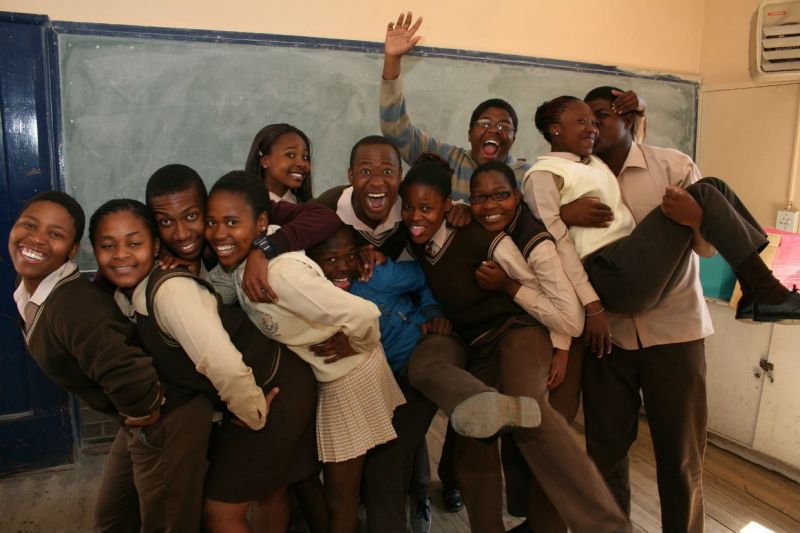
История Ким Файнберг начинается с воспитания эмпатии у южноафриканских школьников посредством уроков устной истории о дискриминации и нетерпимости. Но по мере развития событий, развитие эмпатии стало лишь одним из компонентов ее работы по обучению и расширению прав и возможностей наиболее уязвимой, испытывающей нехватку ресурсов молодежи страны. Через свою организацию The Tomorrow Trust Ким видит путь к подлинной свободе для молодых южноафриканцев после апартеида.
В 1997 году, после работы в Фонде Шоа, где она занималась документированием историй выживших после геноцида и угнетения, она основала Фонд образования и толерантности.
Благодаря учебной программе, включавшей рассказы о Холокосте и геноциде в Руанде, она донесла истории о систематической дискриминации и нетерпимости до нового поколения южноафриканских студентов, не имевших личного опыта столкновения с апартеидом. В 2003 году Ким была избрана стипендиатом Ashoka .
Фонд за толерантность в образовании получил распространение в южноафриканских школах и охватил тысячи учеников, однако Ким вскоре поняла, что страна сталкивается с более глубокими проблемами. И именно устные рассказы о южноафриканских детях-сиротах, потерявших родителей из-за СПИДа, открыли ей глаза.
.jpg)
«Озарение пришло ко мне, когда я поняла, что можно обучать жизненным навыкам, как мы это делали в Фонде толерантности, но если это не подкреплено академической степенью, квалификацией или навыками, то это не сработает, потому что никто не нанимает людей просто так, если они обладают необходимыми жизненными навыками». — Ким Файнберг
Заполнение пробелов
Южная Африка продолжает бороться с высокими показателями ВИЧ/СПИДа; по данным ЮНИСЕФ , в 2012 году 17,9% взрослого населения Южной Африки были ВИЧ-позитивны, а 2,5 миллиона детей потеряли родителей из-за СПИДа. Без взрослых примеров для подражания или систем поддержки многие из этих сирот зависят от неэффективной сети низовых организаций социальной помощи и плохо оснащенных школ, которые пытаются помочь им пройти путь к взрослой жизни.
Организация Tomorrow Trust восполняет пробелы в знаниях детей, начиная с подготовительного класса (5 лет) и до окончания начальной школы. Это осуществляется посредством внеклассной академической и психосоциальной поддержки по субботам и каникулам. Помимо развития грамотности, математических навыков, мелкой моторики и компьютерной грамотности, учителя поощряют детей задавать вопросы и активно участвовать в раскрытии своего потенциала.
Около 60% молодых людей, окончивших 12-й класс в рамках программы Tomorrow Trust, поступают в программы послесреднего образования организации для студентов колледжей и университетов. Это дополнительно способствует их саморазвитию посредством семинаров и наставничества.
С момента своего создания программу Tomorrow Trust прошли 2000 молодых людей. По оценкам Ким, обучая сирот быть образцом для подражания в семьях, где главой является ребенок, и помогая им избавиться от менталитета жертвы, программа Tomorrow Trust косвенно оказала влияние на в шесть раз большее количество людей.
«Если организация Tomorrow Trust создает позитивные примеры для подражания, то эти люди меняют свои семьи и сообщества, потому что теперь они видят совершенно другую картину и хотят видеть совсем другую картину», — говорит Ким. «Таким образом, это вызывает масштабные волновые эффекты».
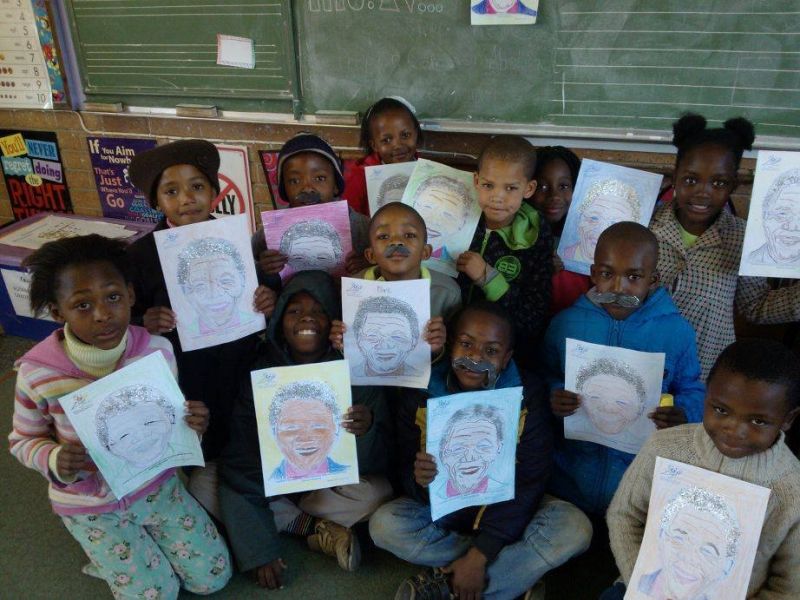
Благодарность порождает эмпатию.
Программа Tomorrow Trust построена на принципе обратной связи: студенты высших учебных заведений обязаны тратить 10 часов в год на помощь ученикам начальной школы. Кроме того, выпускников Tomorrow Trust просят отчислять 10% своей зарплаты в течение первых двух лет работы на поддержку программы.
Ким говорит, что участники программы Tomorrow Trust становятся более чуткими, поскольку программа учит их ценить то, что у них есть.
«Как только мы их этому научим, мы побудим их оказывать очень позитивное влияние на других, — говорит она. — Потому что теперь они видят, что у них есть больше, чем у кого-то другого. Поэтому они видят себя не просто жертвами травмы, а людьми, испытывающими чувство благодарности».
По мере расширения влияния Tomorrow Trust, в корпоративный сектор Южной Африки будет приходить все больше благодарных и чутких профессионалов, готовых продолжить обратную связь, помогая другим уязвимым детям. Выпускники Tomorrow Trust добиваются успеха в юридической, инженерной и финансовой сферах в ведущих южноафриканских и международных компаниях, а двое из них входят в состав попечительского совета Tomorrow Trust.
Ким надеется, что однажды кто-нибудь из выпускников этой программы займет ее место в качестве генерального директора. А пока ее миссия — расширить возможности Tomorrow Trust и распространить истинную свободу — как назвал бы ее Мандела — среди того поколения детей, которое в противном случае могло бы остаться потерянным.
«Это самые влиятельные и вдохновляющие люди, которые заставляют меня вставать каждое утро, — говорит она. — И если они обладают необходимыми навыками, они создадут совсем другую страну в совершенно другом мире».

COMMUNITY REFLECTIONS
SHARE YOUR REFLECTION
1 PAST RESPONSES
please join me celebrate the life of Venerable Sr. Irene Stefan in kenya during his
BEATIFICATION here in kenya. see here for details as hundredts os thousands of Catholic follows arrive here in Nyeri.
http://www.dkut.ac.ke/newsn...
THE POPE ANNOUNCES THE BEATIFICATION OF A CATHOLIC NUN IN THE ARCHDIOCESE OF NYERI ON SATURDAY 23RD MAY 2015
A photograph representation of a portrait of
Venerable Sr. Irene Stefani who served as a
nurse at Mombasa during the 2nd World War in 1914-1918
THE POPE ANNOUNCES THE BEATIFICATION OF A CATHOLIC NUN IN THE ARCHDIOCESE OF NYERI ON SATURDAY 23RD MAY 2015.
VENUE- DEDAN KIMATHI UNIVERSITY OF TECHNOLOGY
Compiled by Rev.Fr.Prof Donatus Mathenge Githui 16th January 2015
Dedan
Kimathi University of Technology is again on the global map this time
round not on the technological platform but on religious, cultural and
heritage grounds. Named after the heroic Mau Mau fighter, Field Marshal
Dedan Kimathi, the University has been accorded the privilege to host
the Beatification ceremony of the Venerable Sr. Irene Stefani who lived
and died at Nyeri Archdiocese in the early 1930’s. By accepting to host
this event, Dedan Kimathi University of Technology contributes to the
reconstruction of the rich Kenyan’s intangible cultural heritage. Just
like the Mau Mau war tale is interwoven with Dedan Kimathi, the story of
Sr. Irene will be incomplete without the mention of Dedan Kimathi
University of Technology in the years to come.
By
hosting the event, the University becomes part and parcel of the Sr.
Irene’s religious itinerary that pilgrims from all corners of the world
interested in her life would hardly ignore. This in itself enhances the
University’s visibility tentacles nationally and internationally. The
story of Sr. Irene told in this century will richly boost the heritage
value of the planned Dedan Kimathi Cultural Centre, the symbol of the
university’s commitment to walk the talk of conserving heritage. The
University is therefore poised to become a global pilgrimage tourist
destination thus enhancing Kenya’s tourist product. Plans are underway
to ensure the success of this history making event of the Beatification
of venerable Sr. Irene Stefani to be held on Saturday 23rd May 2015 at the graduation grounds.
In
the Catholic Church, Beatification is one step away from Sainthood
which is the highest honour bestowed on Catholic Christian who died
after living an exemplary life or expression of heroic deed or by way of
martyrdom.
Why Dedan Kimathi University grounds
Having
received and examined relevant documents concerning Sr. Irene Stefani
and her heroic virtues, which she expressed in her life, having also
been satisfied that the canonical/legal due process and procedure have
been followed by the relevant office, the Holy Father Pope Francis
raised the servant of God Sr. Irene to the canonical status of Venerable
and announced that she is a candidate for beatification on Saturday 23rd
May 2015 in the Archdiocese of Nyeri. When the Archbishop of Nyeri
Most. Rev.Peter Kairo was give this papal announcement and direction, he
immediately started looking for a venue for this important
Beatification ceremony since Kenya has never had a blessed who has
served and died in the country. According to directions from
Vatican/Rome, the venue must be proximate to the cathedral of the
diocese, connected to a tarmac road and the ground must be big enough to
accommodate a huge crowd and parking places for Christians coming from
all over the world. Most Rev.Peter Kairo wrote a formal letter
requesting the Vice Chancellor of Dedan Kimathi University whether the
ceremony of the Beatification could be held at the university grounds.
After the meeting of the university management the permission was
granted. That is why some of you have seen the name of the university in
the daily papers where the story of Sr. Irene Beatification has been
featured. The ceremonies of the Beatification will indeed, be a great
honour to the University community on the material day and years to
come.
Life and times of Sr. Irene
Sr.
Irene was born in August 22, 1891 in Anfo, a small village in Northern
Italy. She joined the Consolata Missionary Sisters in 1911 and she was
trained in religious life as well as a nurse. In 1914, she took her vows
a s a sister and soon after was sent by Blessed Joseph Allomano the
founder of Consolata fathers and sisters missionaries to Kenya. After a
long and exhausting journey by ship, she arrived in Mombasa on January
1915.
As
you are well aware, the Second World War had already begun in 1914.
When she arrived in Mombasa she could not come upcountry. Because of her
training in nursing, the British asked her to take care of the soldiers
and Courier Corps
who were wounded in the war both in Mombasa and Tanzania. As the war
was ending she was able to come up country and join the Consolata
missionaries in Mathari, the headquarter of the vicariate/Diocese ready
to give her services the people of Nyeri.
Her exemplary life at Gikondi in Mukurweini Sub-County
Sr.
Irene was sent to serve with other sisters at Gikondi Parish as a
nurse. She gave herself, body and soul as a nurse giving healthcare,
caring for the sick. It is said by some of her contemporaries that many
were the times that she spent the whole day without eating in order to
serve many patients. Because of this loving service and total
dedication, the people of that area nicknamed her as “Nyaatha” which is a
name translated as “a person of mercy”.
According
to the documents that the missionaries kept in Gikondi Parish, it is
written that there was an epidemic of plague and Sr. Irene got sick soon
after arriving in that area. She contracted the disease as she was
treating one of the patients even after being warned by other sisters
not to attend to the patient because she could be affected. Out of love,
faith, dedication, prayer and full obedience to God, she identified
herself with the sick, the hopeless and the dying. These heroic virtues
are the DNA that makes one a blessed and a saint. She died on 31st October 1930. She was buried at Mathari Diocesan cemetery.
Four Stages in the canonisation process in the Catholic Church
Servant of God is the first of the four steps in the canonization process.
Venerable, is being declared upon a decree of heroism or martyrdom by the honored after through investigation in his or her life by the relevant offices in the Catholic Church.
Blessed;
after clear miracles which are evaluated by medical doctors and church
the venerable is raided to the statues of a blessed. Hence the ceremony
of Beatification which is only decided by the Pope The blessed begins to
appear in the church calendar throughout the world.
Saint; After more scrutiny and acknowledgement of other miracles by the office of Congregation for the Causes of Saints,
the blessed is announced as a saint by the Pope and the event of
sainthood is conducted by him or a delegate. Sainthood completes the
process of canonization.
In the 2nd, 3rd and 4th
stages, miracles are expected to be done after people with sicknesses
or any other extraordinary deeds done by God through the intersession of
the servant of God, venerable, or blessed. These stages may take a
short or a long time or even a contrary or beyond. No doubt Venerable
Sr. Irene has passed the first two stages before becoming a blessed in
May. Such miracles have happened in Mozambique and were verified by the
church and independent medical doctors.
Tribunal of investigating the life of Sr.Irene
Following
the canonical procedures, the Vatican through the office of Causes of
Saints raised the status of Sister Irene to that of the Servant of God
in the early 1970’s. Soon after, Vatican directed two tribunals to be
set up to inquire about her life. The tribunal in Turin, Italy was
established to focus on her life based on her writings while the
tribunal in Nyeri, Kenya was to focus on her heroic virtues as
demonstrated by her life in Nyeri, particularly Gikondi Parish.
Rev.
Fr. Pascualleti and Sister Gian Paola were sent officially in Kenya to
bring this message to the late Bishop Gatimu. Very soon, the tribunal of
Nyeri was established and Fr. Mino Vaccari was appointed as Chairman
and Rev.Fr. Prof. Donatus Mathenge was appointed as the secretary
(Notarius) to the tribunal. When Bishop Gatimu concluded the tribunal
work and signed, the report was packaged and addressed to the office of
causes of the Saints in 1986. As it is expected, Bishop Gatimu was
supposed to take the documents to Vatican, and just when he was about to
start his journey a malady overtook him leading to his death on 20th
February 1987. After Easter of the same year, the Notarious, Fr. D.
Mathenge, was given the task of taking the documents to the Vatican.
The day of Beatification
The
Holy Father Pope Francis is the one who is supposed to come for the
beatification. But due to his tight schedule, he delegated His Eminence,
Angelo Cardinal Amato, the Prefect of the Congregation for the, Causes
of Saints at the Vatican, Rome. There are three critical events. On 22nd
May 2015 there will be a vigil/kesha at Gikondi parish for the purpose
of Spiritual preparation by Christians. The 23rd is the big day of
Beatification at Dedan Kimathi University grounds.
On Sunday the 24th,
the relirics (blessed remains) of blessed Irene will be taken in a big
procession from Mathari church to the Cathedral where they will be
placed in a new tomb which will be a point of reference as a shrine in
future years.
The impact of Her Heroic life and culture or virtues to the youth today
The
heroic virtues of Sr. Irene are relevant to the society today
especially to the youth who are the leaders of today and tomorrow
regardless of their religious affiliations.
The
Beatification of Sr. Irene Stefani and, hence, the recognition of her
virtuous life shall be outstanding as an immeasurable contribution to
the development of the history, culture, and value system of the
University and without doubt, shall be a reference event in years to
come for alumni and stakeholders of this University.
Compiled by
Rev. Fr. Prof. Donatus Mathenge Githui
Ag. Head of Chaplaincy at Dedan Kimathi University
and
Chairman;
Publicity Committee, on the Beatification
of Venerable Sr.Irene Stefani in Nyeri Archdiocese
[Hide Full Comment]