
¿Qué tiene que ver la selva amazónica con el desierto de Kaisut y el lujo de la Quinta Avenida?
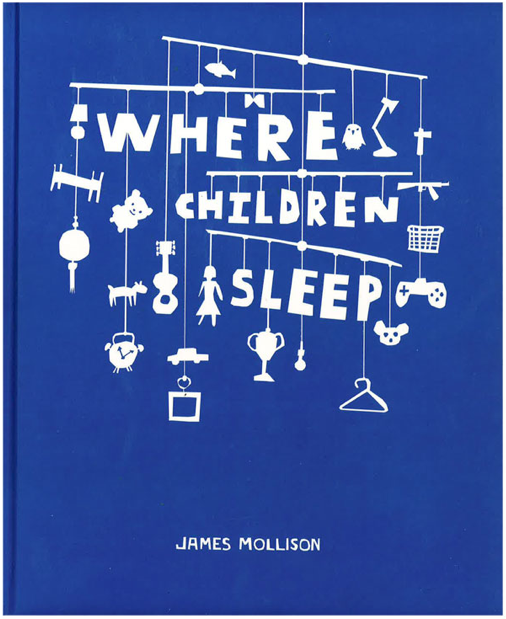 Tras el homenaje de esta mañana a los lugares donde los niños leen y aprenden, llega una mirada curiosa a dónde duermen. Eso es precisamente lo que explora James Mollison, fotógrafo documental nacido en Kenia, criado en Inglaterra y residente en Venecia, en Where Children Sleep (Donde duermen los niños), una serie extraordinaria que captura la diversidad y, a menudo, la desigualdad en la vida de los niños de todo el mundo a través de retratos de sus habitaciones. El proyecto comenzó con el objetivo de abordar los derechos de la infancia y se transformó en una profunda reflexión sobre la pobreza y el privilegio. Sus 56 imágenes abarcan desde las canteras de Nepal hasta las provincias agrícolas de China, pasando por el lujo de la Quinta Avenida.
Desde el principio, no quise que se tratara solo de "niños necesitados" en países en desarrollo, sino de algo más inclusivo, sobre niños de todo tipo de situaciones. Me pareció lógico fotografiar también a los niños, pero por separado de sus habitaciones, utilizando un fondo neutro. ~ James Mollison
Quizás lo más interesante sea que el libro fue escrito y diseñado como una herramienta de empatía para que los niños de 9 a 13 años comprendieran mejor la vida de otros niños alrededor del mundo, pero también es un conmovedor ensayo fotográfico sobre derechos humanos para el lector adulto.
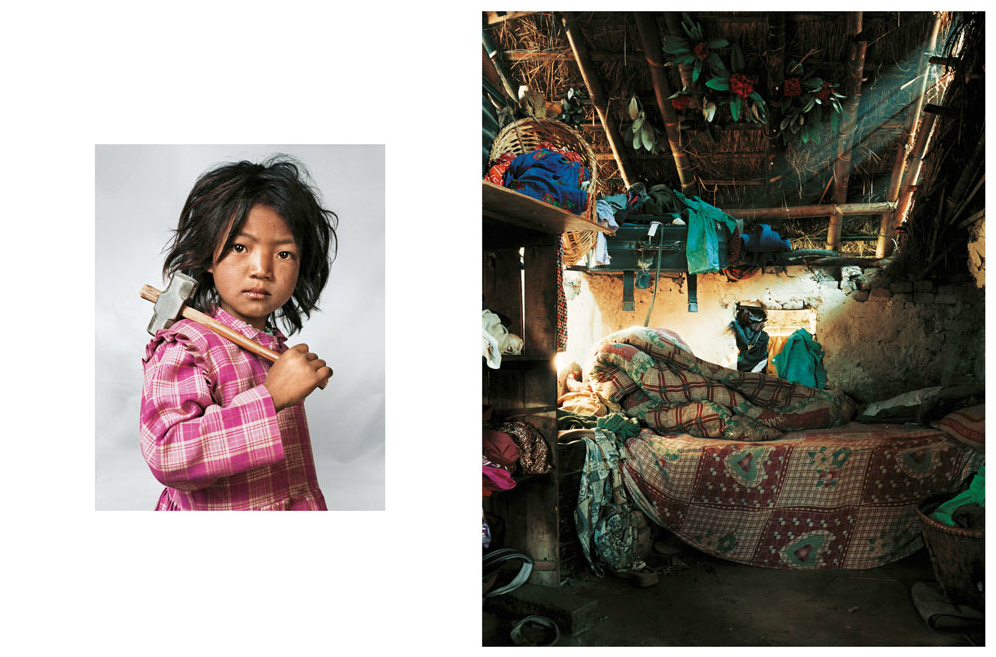
Indira, de 7 años, trabaja en una cantera de granito y vive en una casa de una sola habitación cerca de Katmandú, Nepal, con sus padres, su hermano y su hermana.
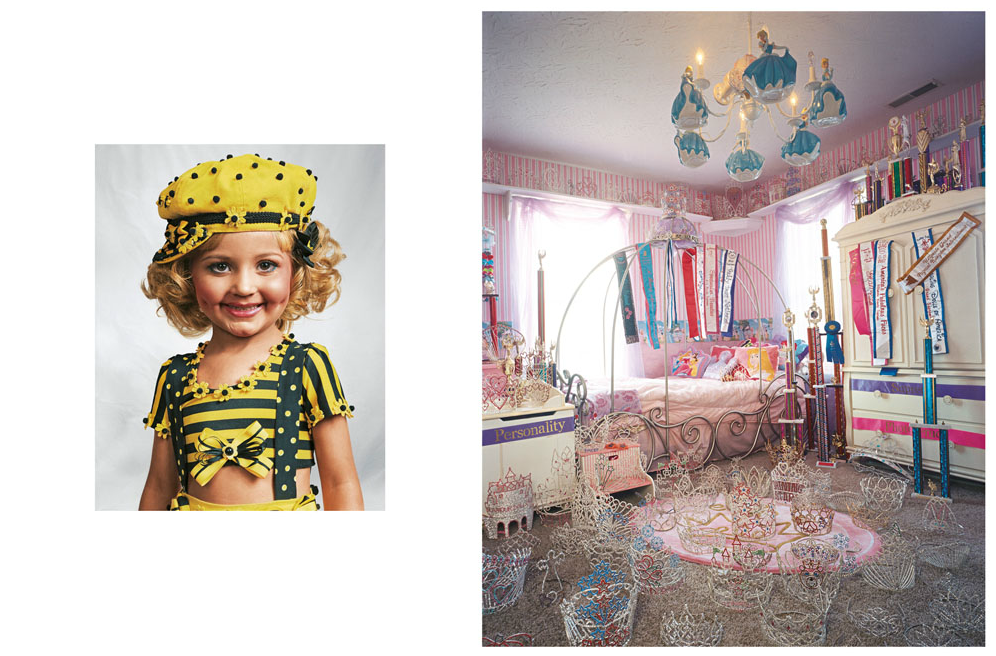
Jasmine, de 4 años, ha participado en más de 100 concursos de belleza infantiles y vive en una casa grande en el campo de Kentucky.
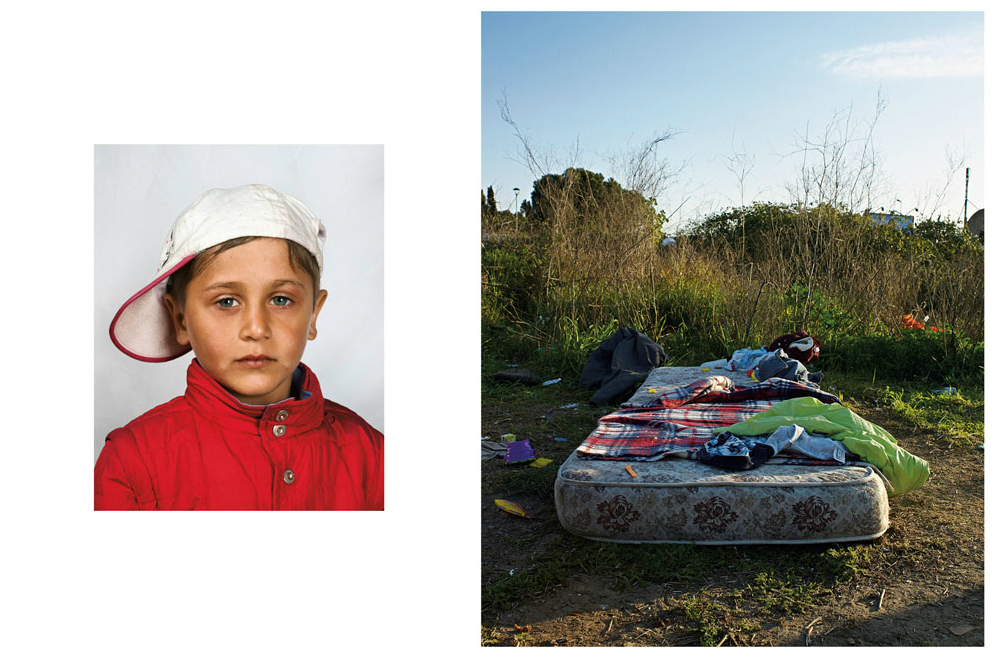
Un niño rumano de 4 años que comparte colchón con su familia en las afueras de Roma.
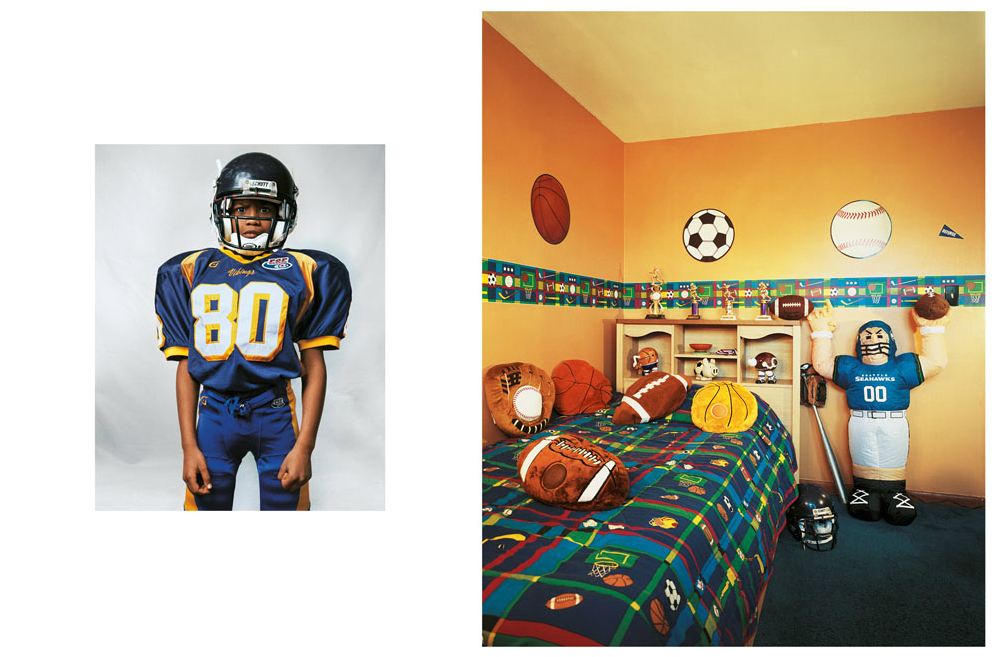
Justin, de 8 años, juega al fútbol americano, al baloncesto y al béisbol. Vive en una casa de cuatro habitaciones en Nueva Jersey.
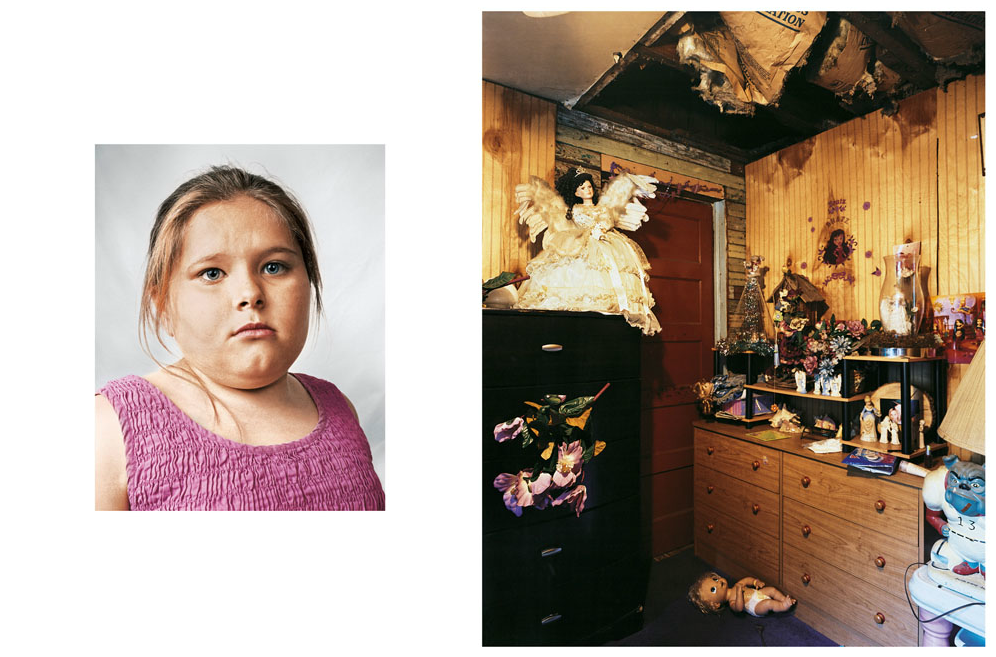
Alyssa vive con su familia en una pequeña casa de madera en los Apalaches.

Ahkohxet, de 8 años, pertenece a la tribu Kraho y vive en la cuenca del Amazonas en Brasil.

Dong, de 9 años, comparte habitación con sus padres, su hermana y su abuelo, mientras cultivan arroz y caña de azúcar en la provincia china de Yunnan.

Delanie, de 9 años, aspira a ser diseñadora de moda y vive con sus padres y hermanos menores en una casa grande en Nueva Jersey.
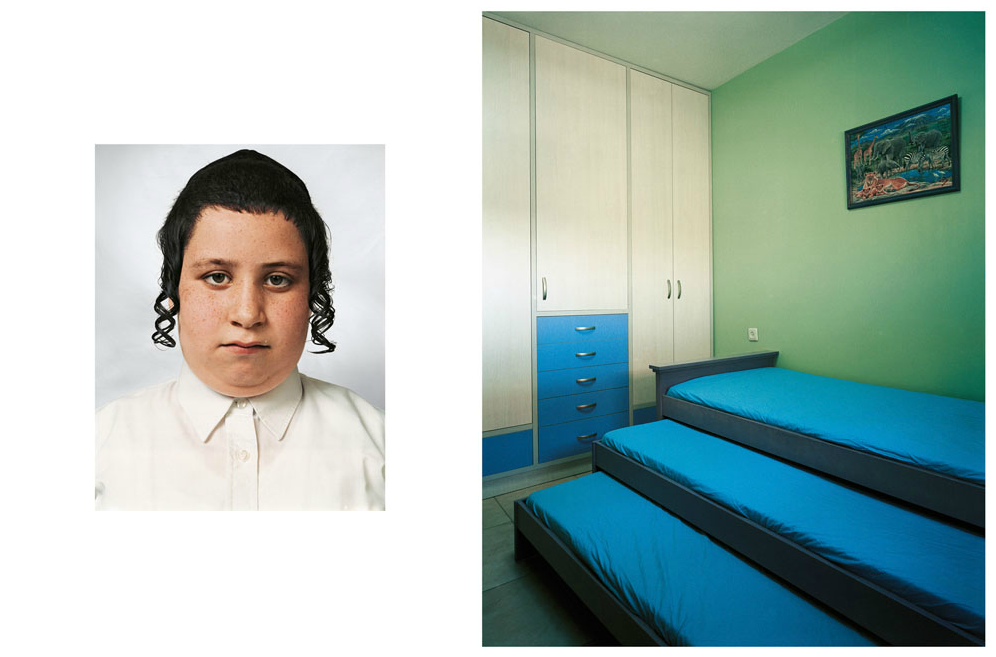
Tsvika, de 9 años, y sus hermanos comparten una habitación en un apartamento en Cisjordania, en una comunidad judía ortodoxa cerrada conocida como Beitar Illit.
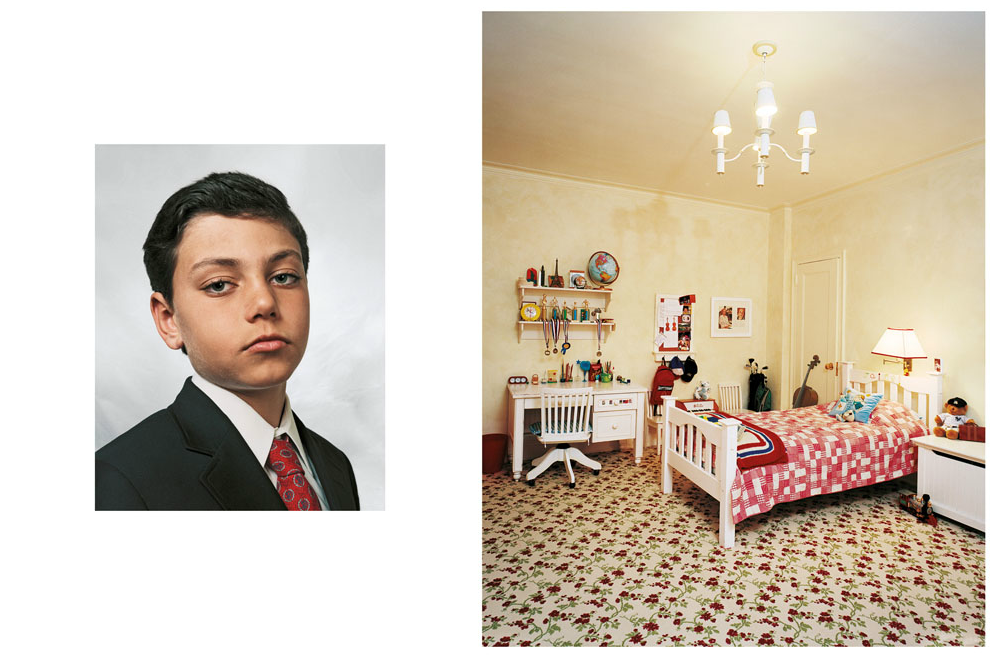
Jamie, de 9 años, comparte un apartamento en el último piso de un edificio en la Quinta Avenida de Nueva York con sus padres y tres hermanos. La familia tiene otras dos residencias en España y los Hamptons.
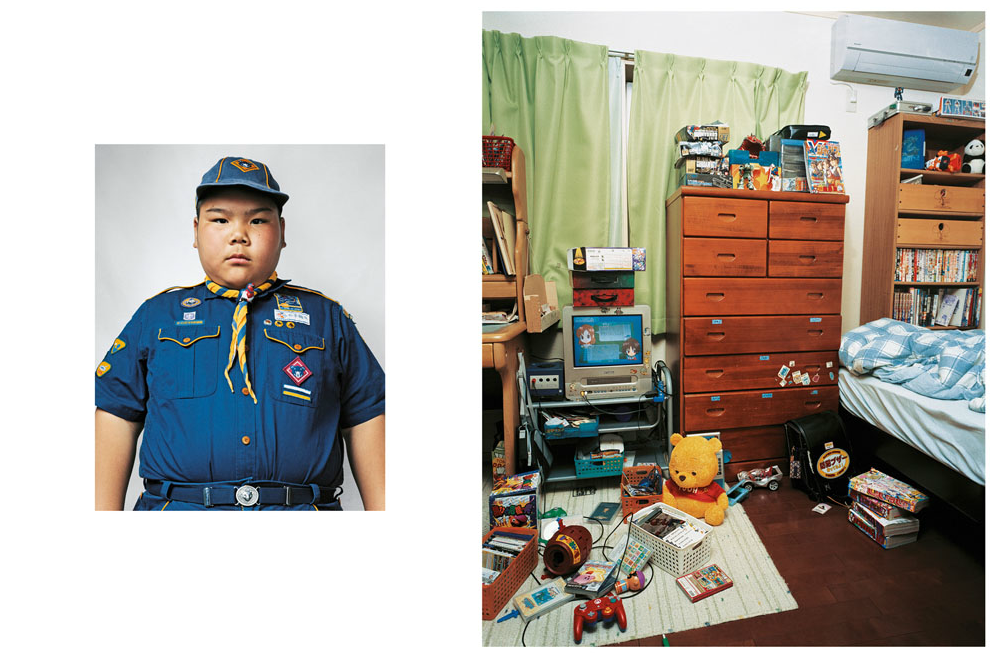
Ryuta, de 10 años, es un campeón de sumo que vive en Tokio con su familia.
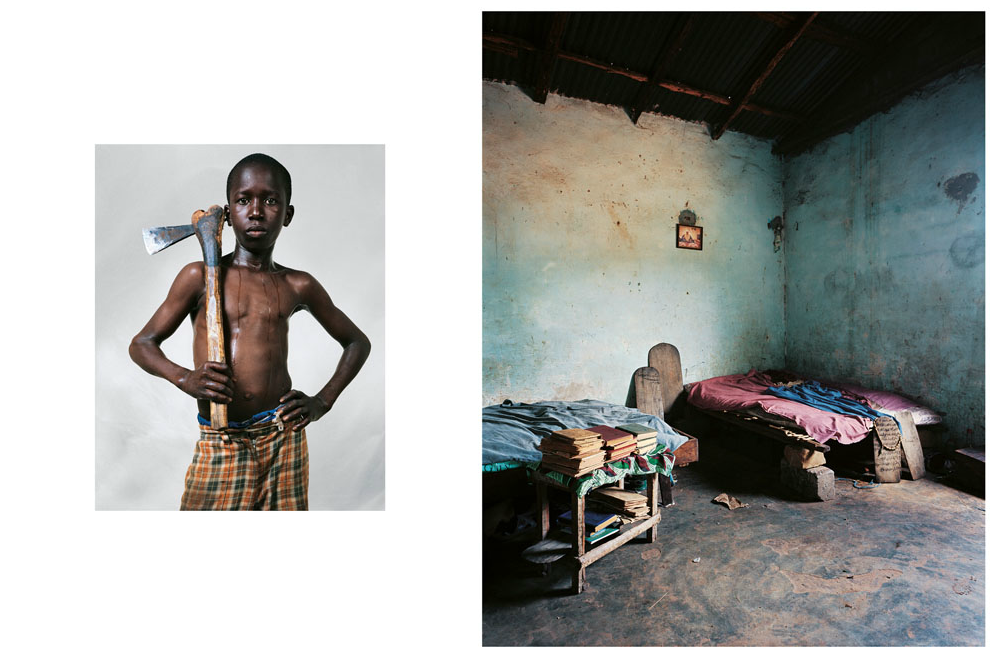
Lamine, de 12 años, duerme en una habitación que comparte con otros niños en la escuela coránica de su aldea senegalesa.
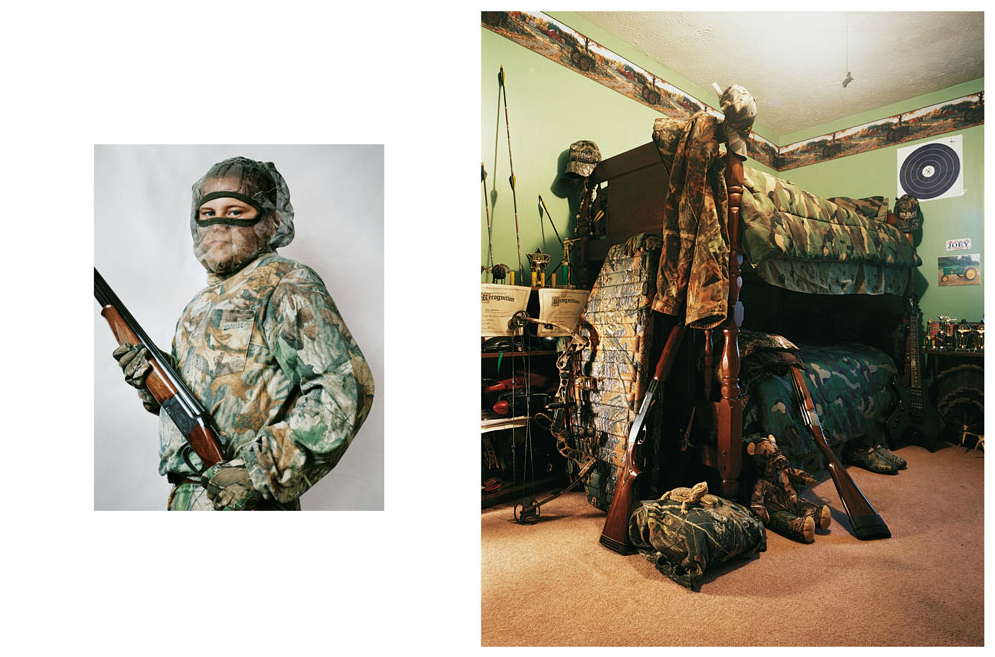
Joey, de 11 años, que mató su primer ciervo cuando tenía siete, vive en Kentucky con su familia.
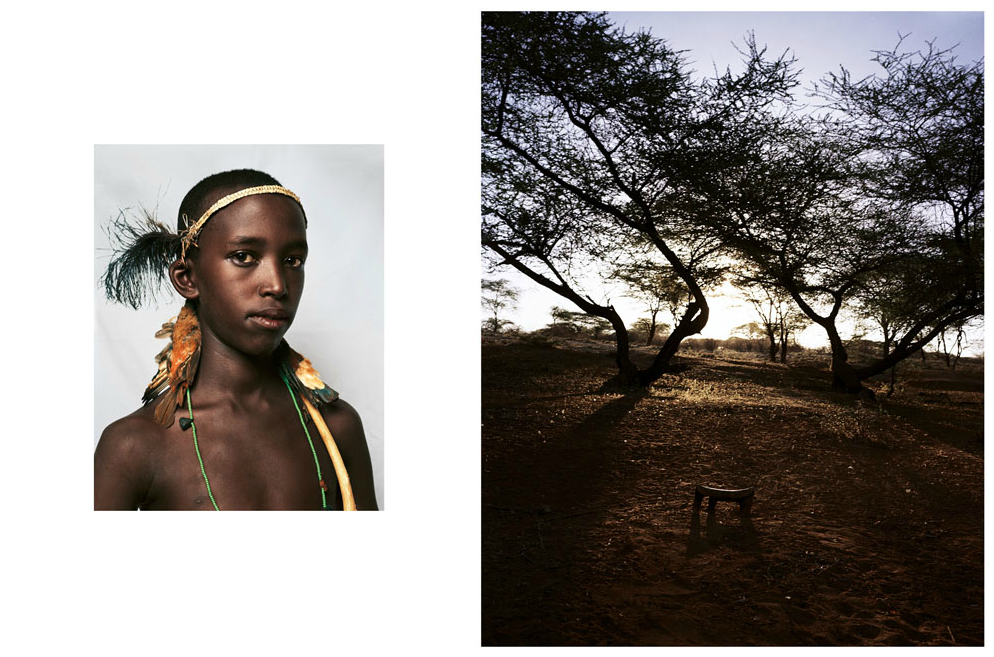
Irkena, de 14 años, pertenece a la tribu seminómada Rendille de Kenia y vive con su madre en una vivienda provisional en el desierto de Kaisut.
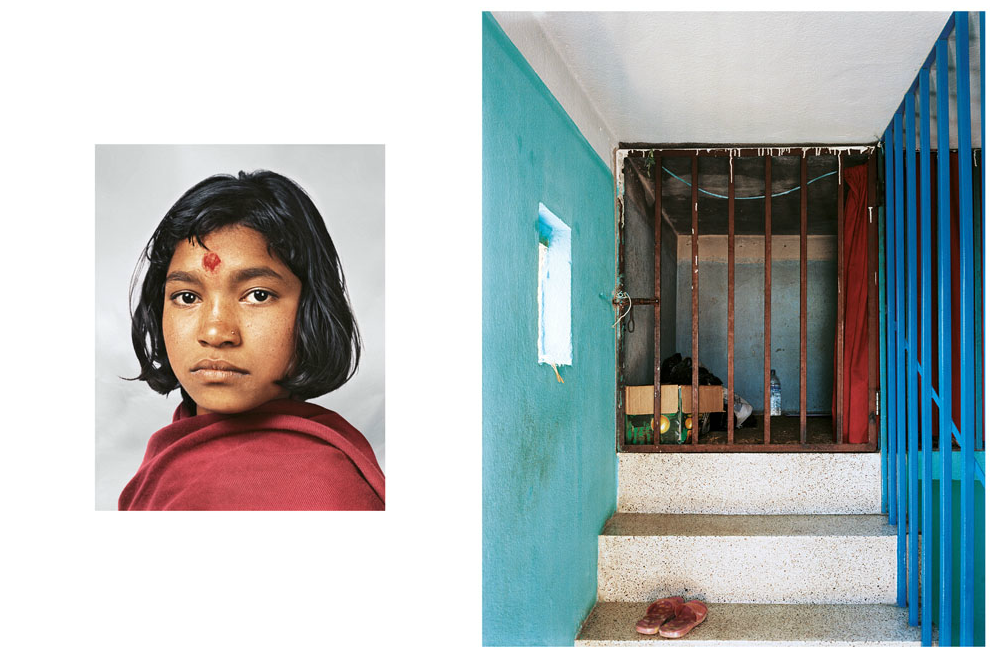
Prena, de 14 años, trabaja como empleada doméstica en Nepal y vive en una habitación minúscula en el ático de la casa donde trabaja en Katmandú.
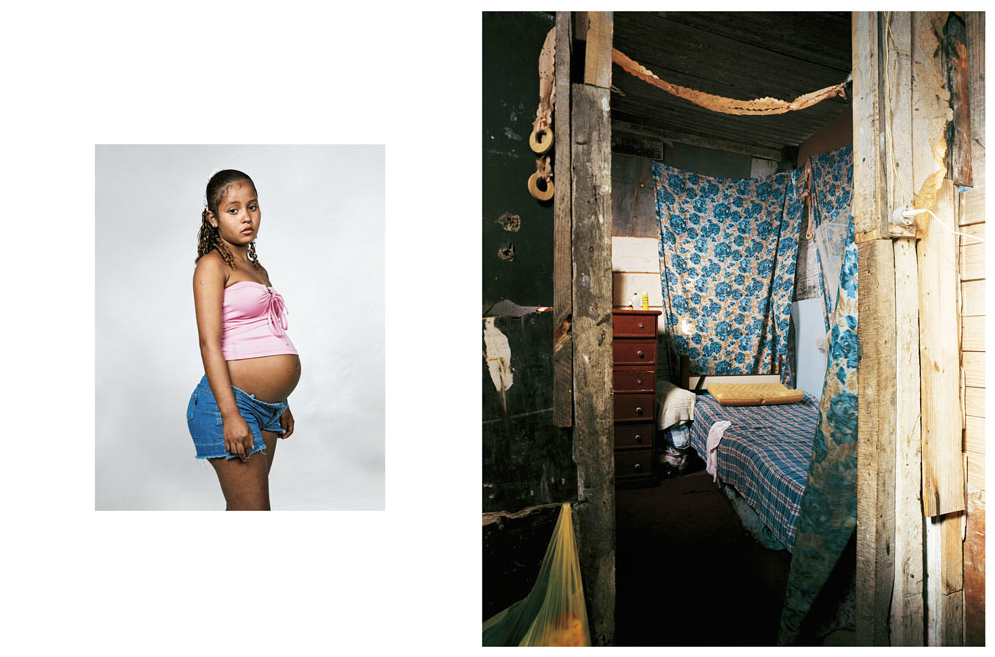
Erien, de 14 años, durmió en el suelo de su vivienda en una favela de Río de Janeiro hasta las últimas etapas de su embarazo.
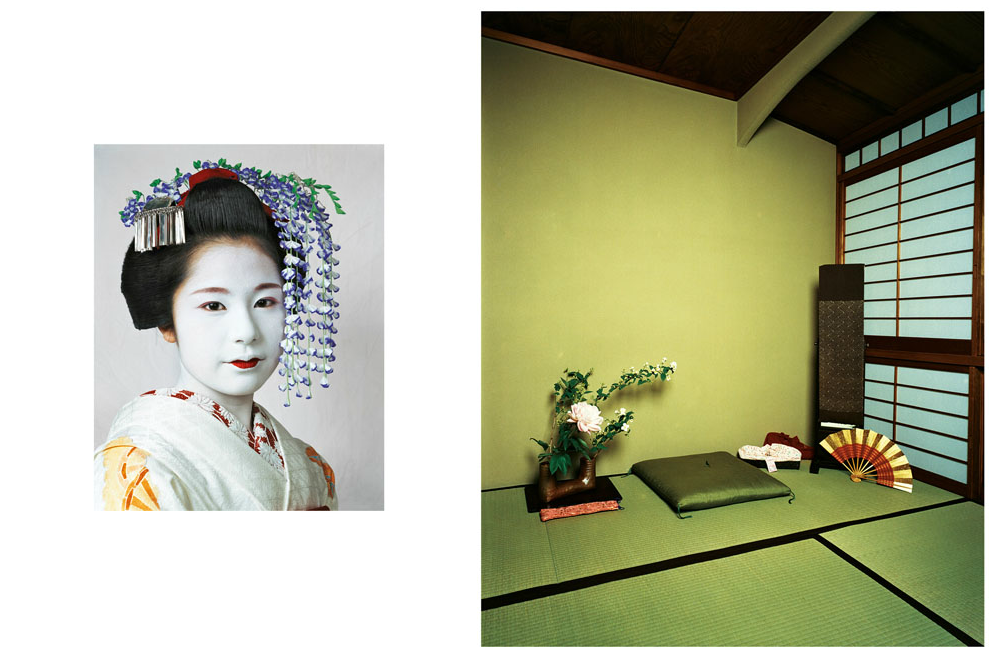
Risa, de 15 años, se está formando para ser geisha y comparte una casa de té con 13 mujeres en Kioto, Japón.
Mollisey está representada por MAP y Flatland Gallery , y sus obras son publicadas por Chris Boot .
«Donde duermen los niños» recuerda a los recorridos voyeuristas de Peter Menzels por el mundo a través dela dieta y las posesiones de la gente, y a la mirada de JeongMee Yoon sobre el condicionamiento de la identidad de género infantil a través de la paleta de colores de sus habitaciones . La portada fosforescente del libro, al estilo de « Radioactive» , es la guinda del pastel, maravillosamente divertida.
Todas las imágenes cortesía de James Mollison a través de The New York Times.
COMMUNITY REFLECTIONS
SHARE YOUR REFLECTION
13 PAST RESPONSES
Some wonderful thought provoking photos. I know things don't make us happy and that the world cannot support the over-consumption of the rich countries - but it is so hard to get put this knowledge into practice.
What a great article. I showed this article to my 11 yr old daughter. She was sad & and thought how hectic the world was, as some can be so lucky & other live in such hectic conditions...I asked her if she thought that she is lucky herself for staying in a beautiful 3 bedroom home herself, being the only child. She said yes but still felt sad. i told her that live is what you make of it & that she has unlimited potential to become whatever she wanted to be in the world...she smiled & said she wanted to help the world people & children from this kind of sadness...
Maybe we have the next female president of south Africa coming up...yeah!
B
ugh the contrast makes me cringe. I am American but I now have 2 more reasons to stay away from Kentucky...blah. I look forward to reading the book, though. It is thought provoking. I love photography. What I wonder is if the photographer asked the children if they were happy.
And there are no smiling, happy children here. Most photographers ask for a smile. Why not here?? The rich seem more miserable than the poor but they are all so stoic.
Great photos that tell a trillion and one stories. From my recent experience in Kolkata, India, I think this book should have included at least one children's home on the very very busy footpath [with almost no path at all] on very very congested streets of Kolkata. Children are born and reared in such "foot-path homes". One must see with one's eyes to believe and comprehend but not noticed by the government, politicians and most importantly, the intellectual middle-classes of Kolkata [its sons and daughters are scattered all over the world enjoying life to the fullest - at whose cost ?, I wonder !
At least if the children of Haves start appreciating their blessings over the children of Have Nots this will serve some purpose. However will they ever understand the hunger pangs, feeling of insecurity, problems of child pregnancy............ God Save this world from the most cruel......i.e. the selfish human being. ( I do not want to refer animals as cruel, because they do every thing for their survival or when they are threatened. Whereas a highly evolved(?) animal called human being more often does whatever he feels like for entertainment , self gratification etc coming out of selfish thoughts.
Its hard to measure privilege but easy to compare, and that comparison is uncomfortable from my comfortable home !
A thought-provoking article. Nothing shows the disparity and the diversity of the world like the places where people rest their head at night, especially children. Thanks for bringing awareness to this.
Amazing photographs. The one thing that occurs to me is that North Americans assume (not all) that just because we have more money and fancy stuff in our rooms that we are better off. I beg to differ. Who do you think are the happiest people here?
All poster children for birth control. Made me really sad. Especially the American kids. The planet needs a good pandemic. Sad for the world. We're all just creepy animals overpopulating the world.
Thought provoking and insightful. Its hard to say much..
Well, a picture is worth a thousand words. In this case it's ten thousand...